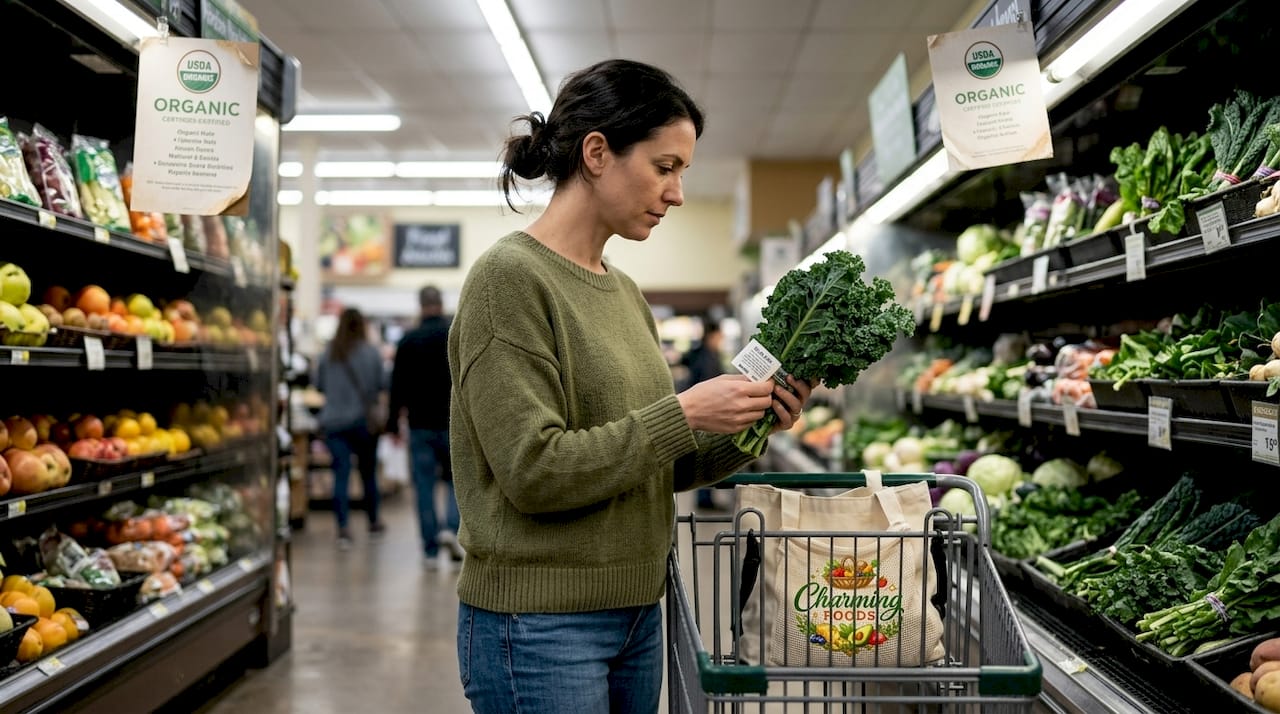
Mom making organic grocery list in kitchen
Time-Saving Grocery Hacks for Healthy, Organic Shopping
leonsnap0 Comments

TL;DR:

  • Organize your shopping list by store sections to save up to five hours weekly.
  • Shop during off-peak hours and stay loyal to one store for faster, more efficient trips.
  • Use frozen and pre-chopped organic produce for quick, nutritious, and cost-effective meals.

Grocery shopping for healthy, organic food should feel empowering, not exhausting. Yet for most busy families and individuals, it eats up far more time than it should. Between crowded aisles, long checkout lines, forgotten items, and the pressure to read every label, a simple trip can turn into a two-hour ordeal. The good news? A few targeted changes to how you plan, shop, and prep can dramatically cut that time while keeping nutrition front and center. This article lays out the most practical, research-backed hacks to help you shop smarter, eat better, and reclaim your week.

Table of Contents

Key Takeaways

Point Details
Optimize your grocery list A store-layout-organized and reusable list can save up to 5 hours a week and cut unnecessary purchases.
Strategic store visits Shopping at familiar stores during off-peak hours streamlines the experience and reduces stress.
Time-saving shortcuts Grocery delivery, frozen produce, and pre-chopped ingredients help cut prep time while keeping meals healthy.
Smart organic choices Prioritize high-impact organics using the Dirty Dozen while using store brands and seasonal produce to save money and time.

Start with a streamlined, store-specific list

The single most impactful thing you can do before stepping foot in a store is build a list that works with the store’s layout, not against it. Most people write lists as items come to mind, which means zigzagging from produce to dairy to frozen foods and back again. That costs you time, energy, and often results in impulse buys.

A store-layout-organized list can save up to 5 hours weekly when paired with batch prep. The idea is simple: group your items by store section so you move through the store in one clean sweep. Think produce first, then bulk and dry goods, then proteins, dairy last.

Here’s a step-by-step system that works:

  1. Write your weekly meal plan first, even loosely. Five dinners, a few lunches, and breakfast staples.
  2. Build your list from the plan, organized by store section: produce, canned/dry goods, proteins, dairy, frozen.
  3. Check pantry staples before writing the list so you’re not buying duplicates.
  4. Add your organic grocery essentials as a standing sub-list that repeats weekly.
  5. Review and trim anything unnecessary before you go.

Digital list apps make this even easier since you can save templates and share them with a partner or older kid. Shared grocery list apps also help reduce the back-and-forth texts mid-trip asking “do we need olive oil?”

Pro Tip: If your household shops together, assign sections of the store to each person so you cover the store simultaneously instead of traveling as a group.

List discipline also cuts down on food waste, which is a hidden time thief. When you buy only what you plan to use, you avoid the “clear out the fridge” scramble later in the week.

Shop during off-peak hours and stick to one store

With your list in order, the next big win is when and where you shop. Timing matters more than most people realize. Off-peak shopping hours like early mornings and weekday afternoons cut trip time significantly by reducing crowds and checkout waits.

Here’s what consistent off-peak shopping actually looks like in practice:

  • Early morning (before 9 a.m.): Shelves are freshly stocked, produce is at its best, and checkout lines are nearly empty.
  • Weekday afternoons (1 to 4 p.m.): Stores are quieter between the lunch rush and the after-work wave.
  • Avoid: Saturday mornings, Sunday afternoons, and the hour right after school and work let out.
  • Bonus: Store staff are more available during slow hours to answer questions about organic options or upcoming specials.

“Sticking to one familiar store can cut your in-store time by as much as a third, since you stop searching and start moving.”

This is why store loyalty pays off beyond just points programs. When you know exactly where the bulk bins are, where the organic yogurt lives, and which checkout lane is fastest, you operate on autopilot. That muscle memory is real efficiency.

For busy parents tips and household management, building rapport with store staff is an underrated move. They often know when fresh organic produce hits the shelves or when manager specials are available on items you buy regularly.

Store clerk assists customer in organic produce aisle

Pro Tip: Set a recurring calendar reminder for your optimal shopping window. Treat it like a meeting. Once it’s scheduled, you stop debating when to go and just go.

Leverage delivery, pickup, and meal kits for maximum efficiency

Efficient timing helps, but what about skipping the store entirely? Grocery pickup and delivery services have gotten genuinely good, and for busy households, ordering via Instacart or Amazon Fresh saves meaningful travel and queue time, especially when you order mid-week for faster fulfillment.

Here’s a side-by-side look at your main options:

Option Time saved Cost premium Best for
In-store shopping Baseline Baseline Fresh organics, browsing
Curbside pickup 30 to 60 min Minimal Weekly staples
Delivery (Instacart/Amazon Fresh) 60 to 90 min 20 to 50% higher Busy weeks, limited mobility
Meal kits (HelloFresh/Home Chef) 30 min per meal 35 to 45% higher Organic variety, easy prep

Meal kits offer 30-minute prep per meal but run 35 to 45% pricier than standard groceries. They shine when you want organic variety without hunting for ingredients yourself.

A hybrid approach works best for most families:

  1. Use curbside pickup for your regular, predictable staples.
  2. Go in-store only for fresh organics, specialty items, or when you want to hand-select produce.
  3. Reserve meal kits for two or three nights a week when cooking motivation is lowest.

For a deeper look at setting up a smooth system, the grocery delivery workflow tips at Charming Foods can walk you through the setup step by step. One smart note: the Instacart cost premium is real, so track it monthly to make sure the time savings justify the spend for your budget.

Don’t overlook frozen, pre-chopped, and store-brand organics

Not every healthy item has to be fresh, and shortcuts can be surprisingly nutritious. Frozen and pre-chopped organic produce is often a nutritional equal to fresh because it’s frozen at peak ripeness, locking in vitamins and minerals that fresh produce can lose during transport and shelf time.

Here’s a quick comparison:

Factor Fresh organic Frozen organic
Nutrient retention High (when very fresh) High (locked at harvest)
Prep time Longer Near zero
Cost Higher 20 to 40% lower
Shelf life Days Months

The practical advantages of frozen and pre-chopped items go beyond nutrition:

  • Zero waste: Use exactly what you need, seal the bag, and put it back.
  • Speed: Frozen spinach, edamame, or peas drop straight into soups, stir-fries, or grain bowls.
  • Budget: Store-brand organics often cost 30 to 50% less than name-brand equivalents with the same USDA Organic certification.
  • Flexibility: A freezer stocked with organic vegetables means you always have a healthy option, even on days when fresh produce has run out.

For ideas on selecting fresh produce alongside frozen staples, a balanced approach covers your nutritional bases without inflating your grocery bill or prep time.

Pro Tip: Use frozen fruits for smoothies and batch-cooked breakfasts, and keep frozen organic vegetables as your default backup for any dinner that needs a fast vegetable side.

Batch cook and prioritize organic with the Dirty Dozen

Finally, smart meal prep and knowing where organic matters most ensures you save time and stay healthy throughout the week. Batch cooking proteins and grains right after your shopping trip is one of the highest-return habits you can build. Cook a big pot of brown rice or quinoa, roast two sheet pans of chicken or tofu, and you’ve set yourself up for four to five fast meals with almost no weeknight effort.

Keep your meal formula simple: protein plus vegetable plus grain. That three-part structure works for bowls, wraps, stir-fries, and salads. Variety comes from sauces and seasonings, not from cooking everything from scratch each night.

On the organic side, not everything needs to be organic. The Dirty Dozen organic list identifies the twelve fruits and vegetables with the highest pesticide residue, including strawberries, spinach, and bell peppers. These are your priority buys. Thick-skinned produce like avocados, pineapples, and onions have low residue and don’t require the organic label.

Here’s a practical prioritization checklist:

  1. Always buy organic: Strawberries, spinach, kale, apples, grapes, bell peppers.
  2. Conventional is fine: Avocados, sweet corn, pineapple, onions, cabbage.
  3. Batch cook weekly: A grain, a protein, and a roasted vegetable.
  4. Freeze extras immediately so they don’t spoil before midweek.
  5. Check local farmers’ markets for affordable organic options on seasonal items.

Shopping the healthy living groceries section of a curated store also helps you find organic staples that are pre-vetted for quality.

Pro Tip: Batch cooking takes about 90 minutes on the weekend but eliminates 20 to 30 minutes of daily cooking and decision fatigue every single night.

Our perspective: Smart efficiency beats trendy shortcuts

With the top hacks covered, let’s zoom out for a broader, experience-based perspective. We’ve seen countless families chase the latest grocery app, meal kit subscription, or “30-minute shopping challenge” only to burn out and go back to chaotic trips two weeks later. The pattern is consistent: novelty fades, but routine compounds.

Apps and delivery services are genuinely useful tools, but they work because of the planning behind them, not instead of it. A disorganized list on Instacart is still a disorganized list. The families who actually save time each week are the ones who’ve built quiet, repeatable systems. They know their five go-to meals. They know their store. They know when to outsource and when to shop in person.

Over-chasing trendy solutions also raises costs. A subscription to two meal kit services, plus a delivery app, plus a premium grocery membership adds up fast. The smarter move is to pick one tool that solves your biggest pain point and use it consistently.

For family grocery essentials, the most sustainable approach is always the one you’ll actually repeat. Small, steady improvements to your routine will outperform any single clever hack every time.

Where to find more organic grocery solutions

Ready to put these hacks into practice? Here’s how to take the next step fast.

At Charming Foods, we’ve made it easy to find healthy groceries selection that’s already curated for busy, health-conscious households. You won’t have to dig through hundreds of products to find what’s genuinely organic and fresh.

https://charmingfoods.store

Our fresh produce guide helps you decide what to buy fresh versus frozen, and which seasonal picks offer the best nutrition per dollar. If you want to take the delivery route, our easy grocery delivery workflow shows you exactly how to set up a recurring order system that runs on autopilot. Less time shopping means more time for everything else that matters.

Frequently asked questions

What is the fastest way to shop for healthy groceries?

Organize your list by store sections, shop during off-peak hours, and consider pickup or delivery for staple items. A store-layout-organized list alone can save up to 5 hours weekly when combined with batch prep.

Are frozen or pre-chopped vegetables as healthy as fresh?

Yes. Frozen and pre-chopped organic produce is often equally or more nutrient-dense because it’s frozen at peak ripeness, preserving vitamins that can degrade during transport and storage.

How can I prioritize organic foods on a tight schedule?

Focus your organic budget on the Dirty Dozen, and use conventional options for thick-skin produce like avocados and onions to save both time and money without sacrificing health.

Are grocery delivery and meal kits worth the cost for families?

They can save 1.5 or more hours per trip, or about 30 minutes per meal, but expect a 20 to 50% cost premium compared to traditional in-store shopping. Meal kit savings math suggests they work best when used selectively, not as a full grocery replacement.

April 17, 2026 Read More
Woman chopping fresh vegetables at kitchen island
What is a whole food? Eat healthier and feel better
leonsnap0 Comments

TL;DR:

  • Whole foods are minimally processed foods that remain close to their natural state.
  • Eating whole foods improves digestion, lowers chronic disease risk, and aids weight management.
  • Focus on simple swaps and meal planning to incorporate more whole foods into your diet.

You’ve probably picked up a snack bar labeled “natural” or grabbed a “healthy” cereal and assumed you were making a smart choice. But here’s the thing: most of those products aren’t whole foods at all. Whole foods are minimally processed or unprocessed foods in their natural state, free from additives, preservatives, and heavy manufacturing. The gap between “sounds healthy” and “actually whole” is wider than most people realize. This guide breaks down exactly what makes a food “whole,” why it matters for your body, and how to start building meals around real, nourishing ingredients without turning your life upside down.

Table of Contents

Key Takeaways

Point Details
Whole foods defined Whole foods are foods close to their natural state with minimal processing.
Evidence-backed health benefits Eating more whole foods improves digestion, supports healthy weight, and reduces disease risk.
Nuances matter Some minimally processed items and plant-based products can fit a healthy eating pattern when chosen wisely.
Start simple Small changes like swapping snacks or adding more produce can help anyone shift toward a whole food diet.

Defining whole foods: more than just ‘natural’

The word “natural” appears on thousands of food packages, but it means almost nothing from a nutrition standpoint. Whole foods are a different category entirely. They are foods that remain close to the form they grew or were raised in, with little to no alteration before they reach your plate.

Whole foods are minimally processed or unprocessed foods in their natural state, and that distinction matters enormously when you’re reading a label. An apple is a whole food. Apple-flavored gummies with added sugar and artificial color are not.

Here are some clear examples of foods that qualify:

  • Fruits and vegetables (fresh, frozen without additives, or dried without sugar)
  • Whole grains like oats, brown rice, quinoa, and barley
  • Legumes such as lentils, chickpeas, and black beans
  • Nuts and seeds without added oils or salt
  • Unprocessed meats and fish
  • Plain dairy like milk, plain yogurt, and cheese

For a broader list of common whole food examples, you’ll notice a pattern: the ingredient list is either nonexistent or very short.

It’s also worth noting that no official definition exists for whole foods, and opinions vary on minimally processed items like dairy. Some nutritionists draw the line at anything that requires processing equipment. Others are more flexible. The practical takeaway is to focus on what’s been added or removed from a food, not just whether it came from nature.

“Think of whole foods as ingredients, not products. If it has a long ingredient list, it’s probably no longer whole.”

Here’s a quick comparison to make it concrete:

Food type Example What’s changed?
Whole food Steel-cut oats Nothing
Minimally processed Rolled oats Steamed and flattened
Ultra-processed Flavored instant oatmeal Added sugar, salt, flavoring

This matters for the clean eating definition too, since clean eating and whole food eating overlap significantly but aren’t identical.

Why whole foods matter for your health

Once you understand what whole foods are, the next question is obvious: why bother? The answer goes well beyond general wellness advice.

Man unpacking healthy whole food lunch at office desk

Whole foods retain their natural fiber, vitamins, and minerals. When food is heavily processed, nutrients are often stripped out and sometimes added back in synthetic forms. That’s not the same thing. Your body absorbs nutrients differently depending on their source and the food matrix they come from.

Here are five specific health benefits backed by research:

  1. Better digestion. High fiber from whole grains, fruits, and vegetables feeds beneficial gut bacteria and keeps things moving.
  2. Lower cholesterol and blood pressure. Higher fiber lowers cholesterol and blood pressure, and avoiding added sugars and fats supports weight management.
  3. Reduced disease risk. Diets rich in whole foods are linked to lower rates of type 2 diabetes, heart disease, and certain cancers.
  4. Steadier energy. Whole foods digest more slowly, preventing the blood sugar spikes and crashes that processed foods cause.
  5. Better weight outcomes. A randomized clinical trial found that minimally processed food diets lead to greater weight loss than ultra-processed food diets.

The weight loss data is particularly striking. Here’s what the trial found:

Diet group Average waist reduction Weight outcome
Minimally processed foods Greater reduction More weight lost
Ultra-processed foods Smaller reduction Less weight lost

For more on how raw foods and health connect, the picture is similar: less processing generally means more retained nutrition.

Pro Tip: Cooking methods matter too. Steaming, roasting, or eating raw preserves more nutrients than frying or boiling for long periods. Pair whole foods with smart prep and you amplify the benefits.

If you want to build a sustainable routine, meal planning for whole foods makes it far easier to stay consistent. And if you want to stretch your nutrition even further, eating seasonally means you’re getting produce at peak nutrient density.

Common questions and edge cases: Where do you draw the line?

Here’s where it gets interesting. Not every food fits neatly into “whole” or “not whole,” and the gray areas trip people up constantly.

Dairy is a good example. Plain milk, unsweetened yogurt, and natural cheese are often considered whole or minimally processed foods. They haven’t had nutrients stripped away or artificial ingredients added. But flavored yogurts with fruit syrup and added sugar? Those cross the line.

Minimally processed dairy is generally acceptable, but the key is avoiding added sugars and flavorings. The same logic applies to most foods.

Plant-based products are another common source of confusion. Lentils, tofu made from soybeans, and tempeh are all relatively whole. But many plant-based burgers, vegan cheeses, and meat alternatives are highly processed, with long ingredient lists and added sodium. Being plant-based doesn’t automatically mean whole.

Infographic comparing whole foods and processed foods

That said, some ultra-processed plant-based foods may outperform unprocessed animal products on certain health markers, depending on your goals. Nutrition is rarely black and white.

If you follow a vegan or vegetarian diet, keep these points in mind:

  • Vitamin B12 is found almost exclusively in animal products. Supplement or choose fortified whole foods.
  • Iron from plant sources (non-heme iron) is less easily absorbed. Pair with vitamin C to improve uptake.
  • Omega-3 fatty acids are harder to get without fish. Walnuts, flaxseeds, and chia seeds help.
  • Calcium needs attention if you avoid dairy. Leafy greens, almonds, and fortified plant milks can fill the gap.

Pro Tip: Flip the package over and read the ingredient list. If you see more than five or six ingredients, or anything you can’t picture in a kitchen, it’s probably not a whole food.

For guidance on choosing fresh produce or exploring vegan options that align with a whole food approach, the key is always to check what’s actually in the product.

Whole foods in practice: Getting started and making it stick

Knowing what whole foods are is one thing. Actually building your meals around them is another. The good news is that it doesn’t require a complete overhaul overnight.

The 2025-2030 US Dietary Guidelines emphasize whole, nutrient-dense foods and recommend limiting processed foods, which means the science and policy are aligned on this approach.

Here are some practical swaps to start with:

  • White bread → 100% whole grain bread or sourdough made with whole flour
  • Flavored yogurt → plain Greek yogurt with fresh fruit
  • Packaged chips → a handful of raw nuts or seeds
  • Sugary cereal → steel-cut oats with banana
  • Bottled salad dressing → olive oil and lemon juice

Now, here are five steps to build the habit:

  1. Shop the perimeter. Most grocery stores place whole foods (produce, meat, dairy) around the edges. The center aisles are where ultra-processed foods live.
  2. Batch cook grains and legumes. Cook a big pot of brown rice, lentils, or chickpeas at the start of the week. They’re versatile and last for days.
  3. Keep whole food snacks visible. A bowl of fruit on the counter or cut vegetables in the fridge makes the healthy choice the easy choice.
  4. Read labels on everything packaged. Even foods that seem healthy can have hidden sugars, oils, or additives.
  5. Plan meals around vegetables first. Build your plate starting with a vegetable base, then add a protein and a whole grain.

For families with kids, organic grocery tips can make the transition smoother. And for snacking specifically, healthy snack tips give you a solid starting point. If you want a full system, meal planning steps walk you through building a weekly routine.

The truth most people miss about whole foods

Here’s what most nutrition content won’t tell you: obsessing over eating perfectly whole can actually backfire. We’ve seen people stress so much about whether their oat milk is processed enough that they forget to enjoy eating altogether. That stress has real physiological effects too.

The goal isn’t purity. It’s a pattern. Eating mostly whole foods, most of the time, is where the health benefits actually live. A piece of birthday cake or a bag of popcorn at a movie doesn’t undo a week of good choices.

What matters is that your foundation is built on real ingredients. Vegetables, fruits, whole grains, legumes, and quality proteins should make up the majority of what you eat. Everything else is context.

We also think people underestimate how much accessibility matters. A frozen vegetable medley without additives is a whole food. It’s also affordable and convenient. You don’t need to shop at a specialty store to eat this way. For a grounded take on clean eating nuance, the same principle applies: sustainable beats perfect every time.

Next steps: Make whole food eating easy

Ready to put this into practice? At Charming Foods, we’ve made it easier to find the whole food ingredients that actually fit your life, whether you’re feeding a family, cooking for one, or just starting to rethink your pantry.

https://charmingfoods.store

Explore our whole food snack guidance to find options that satisfy without the ingredient list drama. Browse choosing produce tips to learn how to pick the freshest fruits and vegetables every time. And if you have little ones at home, our organic baby food options give you peace of mind from the very first bite. Real food doesn’t have to be complicated. We’re here to help you make it simple.

Frequently asked questions

What counts as a whole food?

Examples include fruits, vegetables, nuts, seeds, beans, lentils, whole grains, unprocessed meats, fish, milk, plain yogurt, and cheese. These are foods that remain close to their natural state with minimal alteration.

Are all processed foods unhealthy?

No. No official definition exists for where processing crosses a health line, and minimally processed foods like plain yogurt or frozen vegetables without additives can be just as nutritious as their fresh counterparts.

Can I eat whole foods if I’m vegan or vegetarian?

Absolutely. A plant-based diet built around whole foods is highly nutritious, but vegans and vegetarians should monitor B12, iron, and other nutrients that are harder to get without animal products.

Are whole foods better for weight loss?

The evidence is strong. Minimally processed foods lead to greater weight loss and better waist measurements compared to ultra-processed food diets, according to randomized clinical trial data.

How do I start eating more whole foods?

Begin with simple swaps: replace refined grains with whole grains, reach for fruit instead of packaged snacks, and build meals around vegetables. The 2025-2030 dietary guidelines emphasize exactly this approach as the foundation of long-term health.

April 16, 2026 Read More
Woman making quick healthy breakfast
Nutritious Breakfast Options for Busy, Health-Conscious Lifestyles
leonsnap0 Comments

TL;DR:

  • Prioritize breakfasts with 20-30g protein, at least 5g fiber, and healthy fats for satiety.
  • Prepare quick, nutrient-dense options like egg muffins, Greek yogurt, or overnight oats for busy mornings.
  • Building a personalized, flexible routine ensures consistent, balanced breakfasts that support overall health.

Getting a quick, filling, and genuinely nutritious breakfast on the table before a packed day is harder than it sounds. Most grab-and-go options are loaded with sugar, stripped of fiber, and leave you hungry by 10 a.m. The good news? High-protein breakfasts support satiety and cut cravings throughout the day, making your food choices smarter from the start. This article breaks down exactly what makes a breakfast worth eating, walks through the best options for every dietary preference, and gives you a practical weekly routine you can actually stick to.

Table of Contents

Key Takeaways

Point Details
Protein and fiber rule Aim for 20–30g protein and fiber in each breakfast for satiety and energy.
Whole grains matter Choose unsweetened whole grains over refined carbs for nutrition and long-term health.
Customize your routine Personalizing your breakfast routine boosts consistency and supports your unique health goals.
Quality beats presence It’s the quality and balance of your breakfast—not just eating—that drives real benefits.

How to spot a truly nutritious breakfast

Not every breakfast that looks healthy actually is. Granola bars, flavored yogurts, and “whole grain” muffins can hide surprising amounts of sugar and refined carbs. Knowing what to look for takes the guesswork out of your morning.

The clearest framework comes from evidence-based nutrition: prioritize 20-30g protein, fiber, and healthy fats to boost satiety and sustain energy through the morning. These three pillars work together. Protein slows digestion, fiber feeds your gut microbiome, and healthy fats keep blood sugar from spiking. Miss one, and the whole structure gets shaky.

Here are the key criteria to check before you commit to a breakfast:

  1. Protein content: Aim for at least 20g, ideally 25-30g.
  2. Fiber content: Look for 5g or more per meal.
  3. Healthy fats: Think nuts, seeds, avocado, or eggs.
  4. Prep time: Under 15 minutes is realistic for busy mornings.
  5. Sugar check: Avoid anything with more than 10g of added sugar.

One of the biggest traps people fall into is skipping breakfast entirely. Skipping breakfast increases hunger and raises the risk for metabolic syndrome, a cluster of conditions that includes high blood pressure, elevated blood sugar, and excess belly fat. Even a small, balanced meal beats nothing.

“The quality of your breakfast sets up your day more than the quantity. A modest, nutrient-dense plate outperforms a large, sugar-heavy one every time.”

Pairing smart choices with good meal planning insights makes the whole process easier. When you know what you’re eating before the week starts, you stop making rushed, regrettable decisions at 7 a.m.

Pro Tip: Pre-portion Greek yogurt, overnight oats, or hard-boiled eggs on Sunday. You’ll have five ready-to-grab breakfasts waiting in the fridge, and zero decision fatigue in the morning.

Protein-packed breakfasts: Options for every diet

Armed with these criteria, here’s a breakdown of top-performing, quick, protein-rich breakfast ideas tailored to different preferences.

The variety available today means there’s no excuse for a boring, low-protein morning. Whether you eat eggs, avoid dairy, or follow a fully plant-based diet, you can hit that 20-30g protein target with ease.

  • Egg muffins or mini frittatas: Bake a batch on Sunday. Each muffin delivers roughly 7g protein, so three gives you 21g with almost zero morning effort.
  • Greek yogurt parfait: Layer plain Greek yogurt with berries and seeds for around 20-25g protein and a solid fiber boost.
  • Tofu scramble: Firm tofu crumbled with turmeric, spinach, and nutritional yeast hits 20g protein and works perfectly for vegans.
  • Nut butter smoothie: Blend almond butter, frozen banana, oat milk, and a scoop of protein powder for 25-30g protein in under three minutes.
  • Cottage cheese bowl: Top with sliced fruit and a drizzle of honey for 24g protein with minimal prep.

High-protein meals curb cravings and support healthier eating patterns throughout the entire day, not just the morning. That’s the compounding effect most people underestimate.

For plant-based eaters, the science is reassuring. Plant protein is as effective as animal protein for satiety and muscle support, which means a tofu scramble or a quality vegan protein shake delivers results comparable to eggs or dairy.

Man eating plant-based protein breakfast

If you’re experimenting with plant-based mornings, vegan pancake options can be surprisingly protein-rich when made with a quality plant-based powder. And for savory lovers, vegan bacon adds satisfying crunch without the saturated fat of traditional pork bacon.

Pro Tip: Keep a rotation of three or four base recipes and swap toppings or mix-ins weekly. You get variety without having to learn new recipes constantly.

Whole grains and healthy carbs: Fueling your morning right

Beyond protein, the carbs and grains you choose matter a lot. Let’s see how smart carb choices power your morning.

Not all carbohydrates are created equal, and breakfast is where this distinction plays out most visibly. Refined grains, like white bread or sweetened cereals, spike blood sugar fast and leave you crashing before lunch. Whole grains do the opposite.

Moderate whole-grain cereal intake is linked to lower mortality, including lower risk of cardiovascular and cancer-related deaths. That’s a strong argument for swapping your sweetened puffs for something with more substance.

Here’s a quick comparison of common breakfast grain options:

Breakfast option Fiber per serving Protein per serving Added sugar Best for
Rolled oats (plain) 4g 5g 0g Daily staple
Muesli (unsweetened) 5g 6g 0-2g Variety seekers
Bran cereal 7g 4g 2-4g High fiber needs
Porridge with seeds 6g 7g 0g Cold mornings
Sweetened corn cereal 1g 2g 12g Avoid regularly

High sugar and fat at breakfast reduces nutrient density in subsequent meals, meaning a bad breakfast doesn’t just hurt the morning, it affects what you eat for the rest of the day.

Top whole-grain picks for busy mornings:

  • Old-fashioned rolled oats: Quick to cook, endlessly customizable, and genuinely filling.
  • Muesli: No cooking required. Soak overnight and grab in the morning.
  • Bran cereal: High fiber, low prep. Pair with milk or a dairy-free alternative.
  • Whole grain toast: Works as a base for eggs, nut butter, or avocado.

For a convenient option, organic oats are a reliable pantry staple. If your kids or household prefers something a little more fun, a lower-sugar option like cocoa rice cereal can work as an occasional choice without derailing nutrition goals.

Aim for at least 3g of fiber per serving as your minimum standard. Anything below that, and you’re likely looking at a refined grain product dressed up as health food.

Building your routine: Customizing nutritious breakfasts for your lifestyle

With all the choices laid out, here’s how you can tailor these ideas to streamline mornings and hit your personal nutrition goals.

Knowing what’s healthy is one thing. Actually eating it consistently is another. A repeatable weekly routine removes the friction that derails most people.

Here’s a simple framework for weekly breakfast meal prep:

  1. Choose three to four base recipes that fit your dietary needs and take under 15 minutes to prep.
  2. Shop once for the week using a focused grocery list built around those recipes.
  3. Batch prep on Sunday: Cook egg muffins, soak overnight oats, and portion yogurt cups.
  4. Rotate weekly to prevent boredom. Swap toppings, proteins, or grain bases.
  5. Keep backup options like nut butter and whole grain bread for rushed mornings when prep didn’t happen.

Nutrient-dense breakfasts improve overall diet quality and make it significantly easier to meet health goals throughout the day. The breakfast you eat at 7 a.m. shapes the choices you make at noon and 3 p.m.

Here’s a sample five-day breakfast routine to get you started:

Day Breakfast Diet type Prep time
Monday Overnight oats with chia and berries Vegan, gluten-free 5 min (night before)
Tuesday Egg muffins with spinach and feta High-protein 2 min (reheat)
Wednesday Tofu scramble with whole grain toast Vegan 10 min
Thursday Greek yogurt parfait with granola High-protein 5 min
Friday Nut butter smoothie with protein powder Vegan, gluten-free 3 min

If you get hungry fast after breakfast, add more fat and fiber. If you feel sluggish, cut back on refined carbs and increase protein. Personalizing your routine based on how your body responds is the most reliable path forward.

For more structured guidance, meal planning strategies can help you build a system that actually sticks. And remember: skipping breakfast raises metabolic syndrome risk, so even a simple, balanced option beats going without.

Our take: Why balance and personalization matter more than breakfast hype

Here’s something the wellness industry rarely admits: breakfast isn’t universally the most important meal of the day for every single person. That claim has been repeated so often it’s become reflex. But the evidence tells a more nuanced story.

Breakfast quality is a stronger predictor of health than simply whether you eat it or skip it. A high-sugar, low-fiber breakfast eaten every morning is not better than skipping. What actually moves the needle is the nutritional composition of what you eat.

We believe the most empowering shift you can make is moving away from rigid breakfast rules and toward a flexible, evidence-driven approach. Build a routine around what genuinely works for your body, your schedule, and your dietary preferences. Some people thrive on a big protein-forward breakfast. Others do better with something lighter and add a mid-morning snack.

“Quality and balance are the real pillars of a sustainable, healthy routine. Consistency with good choices beats perfection with complicated ones.”

Stop chasing the perfect breakfast. Start building the right one for you.

Discover more healthy essentials with Charming Foods

Putting these breakfast ideas into practice starts with having the right ingredients on hand. That’s where we come in.

https://charmingfoods.store

At Charming Foods, we make it easy to stock your kitchen with fresh, organic, and health-forward groceries delivered to your door. From choosing fresh produce for your morning smoothies to browsing healthy grocery options that cover every dietary need, we’ve curated a store built for people who take their nutrition seriously. Explore groceries for healthy living and find everything you need to build a breakfast routine that actually fuels your day.

Frequently asked questions

What are the most important nutrients in a quick, healthy breakfast?

Focus on 20-30g protein, fiber, and healthy fats for lasting energy and fullness. These three nutrients work together to stabilize blood sugar and prevent mid-morning hunger.

Are plant-based protein breakfasts as effective as eggs or dairy?

Yes. Plant protein delivers similar satiety and muscle support as animal protein, making tofu, legumes, and vegan shakes solid alternatives. The key is hitting your total protein target regardless of the source.

Can I skip breakfast if I’m not hungry in the morning?

Most people benefit from a nutrient-dense breakfast, but breakfast quality predicts health outcomes more than simply eating or skipping. If you’re genuinely not hungry, a small, protein-rich option is better than a large, sugary one.

How can I avoid a mid-morning energy crash after breakfast?

Choose whole grains and at least 20g protein while avoiding high-sugar options. Fiber-rich, high-protein breakfasts improve satiety and help keep your energy stable well past 10 a.m.

April 14, 2026 Read More
Woman arranging produce at farmer’s market
Why eat seasonally? Boost nutrition, save money, help planet
leonsnap0 Comments

TL;DR:

  • Eating seasonally enhances nutrition, flavor, and supports local farmers.
  • It reduces environmental impact and lowers food costs through local sourcing.
  • Flexibility with frozen, canned, and imported foods ensures a sustainable, healthy diet year-round.

Most people assume that a tomato is a tomato, no matter when or where they buy it. That assumption costs you more than you think, in nutrition, flavor, money, and environmental impact. The truth is that the timing of your produce purchase changes everything. A strawberry picked at peak ripeness in June packs far more vitamins and antioxidants than one shipped from halfway around the world in January. This guide breaks down exactly what seasonal eating means, why it matters for your health and wallet, and how to make it a practical part of your everyday life without turning it into a stressful chore.

Table of Contents

Key Takeaways

Point Details
Peak nutrition and taste Seasonal produce is fresher, tastier, and offers higher nutritional value than out-of-season options.
Saves money and supports farmers Eating in-season helps lower grocery costs and directly benefits local growers.
Lower environmental impact Seasonal foods require less transport and energy, cutting your carbon footprint.
Flexibility matters most While fresh and seasonal is best, frozen and canned options are excellent healthy choices when needed.

What does eating seasonally really mean?

Seasonal eating simply means choosing foods that are naturally harvested during their peak growing period in your region. It sounds straightforward, but there is an important distinction to make: seasonal, local, and organic are not the same thing, even though they often overlap.

Organic refers to how food is grown, without synthetic pesticides or fertilizers. Local means it was grown nearby, often within 100 to 250 miles. Seasonal means it was harvested at its natural time of year. You can buy organic produce that was grown out of season in a heated greenhouse and shipped across the country. That is not seasonal eating.

Here is where it gets interesting. Seasonality is not a fixed national calendar. It shifts dramatically depending on where you live:

  • Spring: Asparagus, peas, spinach, and strawberries in the Midwest and Northeast
  • Summer: Tomatoes, corn, peaches, and zucchini across most of the country
  • Fall: Apples, squash, sweet potatoes, and Brussels sprouts
  • Winter: Citrus fruits in Florida and California, root vegetables and stored crops elsewhere

Citrus is a great example. In Florida, oranges are practically year-round. In Minnesota, they are a winter import. This is why checking USDA guides or your state’s agriculture department website matters. Your local farmers market is also one of the best real-time indicators of what is genuinely in season near you.

“Seasonal crop diversity improves dietary variety and aligns with Dietary Guidelines emphasizing a wide range of fruits and vegetables.”

That variety is not just pleasant. It means your body gets a rotating mix of nutrients throughout the year rather than relying on the same few crops. When you focus on choosing fresh produce that aligns with the season, you naturally eat more diversely. And supporting local farmers who grow seasonally keeps that diversity alive in your community.

The regional variation in the USA means there is no one-size-fits-all seasonal eating plan. Your best tool is local knowledge, whether that comes from a farmers market vendor, a state agriculture guide, or a community-supported agriculture (CSA) box subscription.

Nutritional advantages of eating seasonally

Here is a fact that might surprise you: a spinach leaf loses up to 50% of its folate within a week of harvest. By the time out-of-season produce travels from a distant farm, sits in cold storage, and reaches your plate, the nutritional profile can look very different from what the label suggests.

Seasonal produce retains higher levels of vitamins, minerals, antioxidants, and phytonutrients because it is harvested at peak ripeness rather than picked early to survive a long journey. The difference is not marginal. It is measurable and meaningful for your long-term health.

Man prepping spinach in home kitchen

Nutrient In-season produce Out-of-season produce
Vitamin C High at harvest Degrades significantly in storage
Antioxidants Peak levels Reduced by transport and light exposure
Flavor compounds Fully developed Often underdeveloped or lost
Phytonutrients Maximized Reduced by early picking

Flavor is also directly tied to nutrition. Peak ripeness encourages greater consumption of fresh produce simply because food tastes better. When a peach actually tastes like a peach, you eat more of it. That is a genuine public health win.

Pro Tip: If fresh seasonal produce is not always available, frozen fruits and vegetables harvested at peak season are often more nutritious than fresh out-of-season options. Look for frozen produce without added sauces or sugar.

Seasonal eating also naturally supports better meal planning benefits because you are working with what is abundant and flavorful right now. Pairing in-season vegetables with fresh herbs and flavor boosters makes healthy cooking feel effortless rather than forced.

The bottom line: eating in-season produce is one of the simplest ways to get more nutrition per bite without changing how much you eat.

Environmental and economic benefits of seasonal eating

Seasonal eating is not just good for your body. It is genuinely better for the planet and your grocery budget.

Seasonal eating reduces environmental impact by cutting down on transportation distances, refrigeration needs, and energy-intensive growing methods like heated greenhouses. When you buy a butternut squash grown 30 miles away in October, its carbon footprint is a fraction of one grown in a climate-controlled facility and shipped from another continent in March.

Infographic summarizing seasonal eating benefits

Factor In-season local produce Out-of-season imported produce
Transport distance Short, often under 200 miles Often thousands of miles
Energy use Minimal, natural growing conditions High, heated greenhouses or refrigeration
Carbon footprint Significantly lower Much higher
Cost to consumer Lower due to abundance Higher due to logistics

On the economic side, in-season produce is less expensive because supply is high and transport costs are low. Farmers sell more, prices drop, and you benefit directly at checkout.

Here are practical ways to shop seasonally and save:

  • Visit farmers markets near closing time when vendors often discount remaining stock
  • Join a CSA (community-supported agriculture) subscription for weekly seasonal boxes at a flat rate
  • Buy in bulk when something is at peak season and freeze or preserve it for later
  • Check grocery store weekly ads for seasonal produce specials

Pro Tip: Buying directly from your local farmers guide connects you to growers who can tell you exactly when something was picked and how to store it for maximum freshness.

Spending locally also strengthens your regional food economy. Small farms stay viable, communities become more food-resilient, and you play a direct role in that. When you prioritize choosing produce for sustainability, the ripple effect goes well beyond your dinner plate.

Making seasonal eating work in real life

Knowing the benefits is one thing. Actually doing it consistently is another. The good news is that seasonal eating does not require a complete lifestyle overhaul.

Here is a simple process to get started:

  1. Find your seasonal guide. Check the USDA’s seasonal produce guide or your state’s department of agriculture website. Many states publish free, printable seasonal calendars.
  2. Visit a farmers market. What is being sold in abundance is almost always what is in season locally. Talk to the vendors.
  3. Plan meals around what is available. Instead of deciding a meal and then shopping, browse what looks fresh and build from there.
  4. Stock your freezer strategically. When summer tomatoes or fall corn are at their best, buy extra and freeze them. You will have peak-season flavor all winter.
  5. Lean on frozen and canned when needed. Frozen and canned produce retain nutrition and are smart alternatives when fresh seasonal options are not available, especially in winter.

“Any fruits and vegetables beat none. Focus on variety over strict seasonality to meet the Dietary Guidelines of 2 servings of fruit and 3 servings of vegetables daily.”

That last point matters. Seasonal eating is a direction, not a destination. If the only tomatoes available are out-of-season ones and you need them for a recipe, use them. Progress beats perfection every time.

Building a simple meal planning routine around seasonal staples makes the whole thing feel natural rather than restrictive. Over time, you will start to crave what is in season because your palate adjusts to better-tasting food.

The real-world truth about seasonal eating in the USA

Here is something most seasonal eating guides will not tell you: the food system in the USA is complicated, and strict seasonal eating is a privilege not everyone has access to. If you live in a food desert, if your budget is tight, or if you are in a northern state in February, the farmers market is not always an option.

That is not a reason to give up. It is a reason to reframe the goal. Frozen peas are nutritionally excellent. Canned tomatoes are a legitimate pantry staple. Imported bananas provide potassium year-round for people who need affordable fruit options. These are not failures of seasonal eating. They are smart, practical choices.

What we believe at Charming Foods is that fair trade and seasonal are both worth caring about, and sometimes they pull in different directions. A fair trade mango from Mexico might have a larger carbon footprint than a local apple, but it also supports farmers in developing countries who depend on that income. There is no perfect answer. There is only thoughtful, informed choice.

Eat seasonally when you can. Fill the gaps with frozen, canned, or imported options when you cannot. The goal is a healthy, varied diet that you can actually sustain, not a rigid set of rules that makes eating feel like homework.

Jumpstart your seasonal eating journey

Ready to put this into practice? Seasonal eating becomes much easier when you have the right resources at your fingertips. Whether you are just starting out or looking to refine your approach, knowing where to shop and what to look for makes all the difference.

https://charmingfoods.store

At Charming Foods, we make it simple to find fresh, high-quality produce that aligns with what is naturally in season. Start with our fresh produce guide to learn how to identify and select the best options available. Looking for ideas on what to eat between meals? Our healthy snacks guide is packed with seasonal-friendly ideas. And when you are ready to fill your cart, shop fresh groceries directly from our store with next-day delivery right to your door.

Frequently asked questions

How can I tell which produce is in season in my region?

Check the USDA seasonal produce guide or your state’s agriculture website for accurate local harvest information. Your nearest farmers market is also a reliable, real-time resource for what is currently in season near you, as noted by regional USA seasonality data.

Is it better to buy local or organic if I can’t do both?

Local, seasonal produce is often fresher and more nutritious due to shorter time from harvest to table. Organic options reduce pesticide exposure but may travel farther. Choose based on what is available and what matters most to you in the moment.

Are frozen and canned fruits and veggies healthy if out-of-season fresh isn’t available?

Yes. Frozen and canned produce retain significant nutrition and are excellent alternatives when fresh seasonal options are not accessible, particularly during winter months.

Will eating seasonally really save me money?

Absolutely. In-season produce is less expensive because supply is high and transport costs are minimal. Buying what is abundant locally almost always costs less than importing out-of-season alternatives.

April 12, 2026 Read More
Farmer inspecting fair trade bananas at packing area
Fair trade food: What it is and why it matters
leonsnap0 Comments

TL;DR:

  • Fair trade food guarantees minimum prices and community premiums but does not ensure organic certification.
  • Labels vary between certifiers, with Fair Trade USA allowing larger plantations and Fairtrade International focusing on smallholders.
  • While fair trade benefits communities and farmers, it has limitations like limited traceability and uncertain premium distribution.

Many shoppers grab a fair trade coffee or chocolate bar feeling good about their choice, assuming the label also means organic, fully traceable, or perfectly equitable. The reality is more nuanced, and understanding it makes you a sharper, more effective ethical shopper. Fair trade food refers to products certified by organizations ensuring minimum prices, premiums, safe conditions, and sustainability for farmers and workers worldwide. This guide unpacks what fair trade food really is, how certification works, which products carry the label, and where the system falls short. You’ll walk away with the clarity to make purchasing decisions that actually reflect your values.

Table of Contents

Key Takeaways

Point Details
Clear definition Fair trade food is certified to protect workers, pay fair prices, and support sustainability, but is not always organic.
Label differences Fair Trade USA and Fairtrade International use different standards and labels—learn what each means at point of purchase.
Product impact Choosing fair trade food helps support producer communities, but impacts vary by product and program.
Limitations exist Fair trade certification is helpful, but not perfect—look for transparency and additional policies from brands.
Shop intentionally Use fair trade as a starting point, combining label guidance with your own research for truly ethical shopping.

What is fair trade food and how does it work?

Fair trade food is not just a feel-good label. It is a structured system designed to correct the power imbalance between large buyers and small-scale producers in developing countries. At its core, the model guarantees farmers a minimum price for their goods, even when global commodity markets drop. It also adds a community premium, extra money that goes directly to producer cooperatives to fund schools, healthcare, or infrastructure.

The key mechanics include standards for wages and labor, third-party audits, minimum prices, and community premiums. Here is how the certification process typically unfolds:

  1. A producer group or cooperative applies to a certifying body.
  2. The organization reviews labor practices, environmental standards, and governance.
  3. An independent third-party auditor visits and inspects the operation.
  4. If standards are met, certification is granted and renewed annually.
  5. Buyers who want to use the label on their products also pay a licensing fee.

To understand what fair trade certification actually covers, this table summarizes the core standards:

Standard area What it requires
Minimum price Guaranteed floor price above market rate
Community premium Extra funds for cooperative development projects
Labor rights No forced or child labor; safe working conditions
Environmental Restrictions on harmful pesticides; sustainability practices
Democratic governance Producer cooperatives must be democratically run

Fair trade is one of the most studied ethical trade models in the world, with products sold in over 150 countries and more than 1.8 million farmers and workers participating globally.

What fair trade does NOT guarantee is equally important. It does not mean the product is organic. It does not mean every worker on a supply chain earned the same wage. And it does not mean 100% of the product in your package came from a certified source, a point we will address later. Knowing why buying fair trade foods matters helps you use the label as a tool, not a shortcut.

Fair trade food certification: Key organizations and how they differ

Not all fair trade labels are the same. Two organizations dominate the space in the USA, and they operate with meaningfully different philosophies.

Fair Trade USA is the primary certifier for the American market. It broke away from the international body in 2011 to allow larger plantations and a broader range of supply chain actors into its certification program. Fairtrade International (also called FLO) focuses primarily on smallholder farmer cooperatives and operates across Europe and much of the rest of the world.

Feature Fair Trade USA Fairtrade International
Primary focus US market, broader supply chain Smallholder co-ops globally
Farm size allowed Includes large plantations Primarily small cooperatives
Label name Fair Trade Certified Fairtrade Mark
Verification method Third-party audits Third-party audits
Product range Coffee, cocoa, apparel, more Coffee, cocoa, bananas, tea, more

Fair Trade USA allows larger plantations and a broader scope, while Fairtrade International focuses on smallholder co-ops. This distinction matters because it affects who benefits most from your purchase.

To verify a product’s certification, look for the Fair Trade Certified label on packaging and cross-reference it with the certifier’s online database. Both organizations maintain searchable product directories.

Here is what the label does NOT mean, regardless of which organization issued it:

  • The product is not automatically organic
  • Not every ingredient in a multi-ingredient product is fair trade certified
  • The label does not guarantee 100% supply chain traceability in all cases
  • It does not mean the brand has no other ethical concerns in its operations

There are over 8,000 Fair Trade Certified products available in the US market today, spanning food, apparel, and home goods. That number keeps growing as consumer demand pushes more brands to pursue certification. When choosing fair produce and other groceries, checking for these labels is a reliable first step, even if it is not the final word.

Fair trade certification covers a wide range of everyday foods. Knowing which categories carry the label makes it easier to shift your shopping habits without overhauling your entire grocery list.

Shopper examining fair trade coffee and goods

Common USA fair trade foods include coffee, chocolate, bananas, tea, sugar, and quinoa, with over 60% of Fairtrade cocoa sourced from Ghana and Ivory Coast. Coffee is the most widely available fair trade product in American stores, followed closely by chocolate and bananas.

Here is how buying these products benefits the communities that grow them:

  • Wage stability: Minimum price guarantees protect farmers from devastating market crashes
  • Education funding: Community premiums often go toward building or improving local schools
  • Healthcare access: Cooperatives use premiums to fund clinics and medical supplies
  • Infrastructure: Roads, clean water systems, and storage facilities get built with premium funds
  • Farmer organization: Cooperatives gain negotiating power and business training
  • Women’s empowerment: Many programs specifically support female farmers and workers

Fair Trade USA’s factory program has distributed more than $100 million in community funds, and over 90% of studies on fair trade show positive economic effects for participating producers.

The empirical data on fair trade shows higher incomes, better community organization, improved assets, and stronger risk management among certified producers compared to non-certified peers.

Infographic showing fair trade benefits and foods

Pro Tip: When shopping for fair trade coffee or fair trade banana snacks, look for the certification logo AND check the brand’s website for details on which specific farms or cooperatives they source from. The more transparent the brand, the more confident you can be about real impact.

Limitations, criticisms, and what labels can’t tell you

Fair trade is a powerful tool, but it has real limitations that every ethical shopper deserves to understand. Ignoring the criticisms does not make you a better advocate. It just makes you a less informed one.

Here is a clear breakdown of what the label cannot guarantee:

  • Organic status: Fair trade does not mean organic; the certifications are completely separate
  • Full traceability: Some products use a “mass balance” system, meaning certified and non-certified goods are mixed in processing and only a percentage must be certified
  • Complete premium delivery: Not all of the community premium reaches individual farmers; cooperative management and overhead take a share
  • Small farm exclusivity: In the US system, large plantations can qualify, which some critics argue dilutes the original mission
  • Study reliability: Some research showing positive outcomes may reflect selection bias, as better-organized farms are more likely to seek certification in the first place

Critics note modest net income effects, potential harm to non-fair-trade farmers in the same regions, and high consumer premiums that do not always fully reach producers. Certification costs can also be prohibitive for the smallest and most vulnerable farming communities, the very people the system is meant to help.

Pro Tip: Use fair trade certification as your baseline, not your finish line. Look for brands that publish annual impact reports, name their sourcing partners, and explain how premiums are used. Combining label guidance with direct sourcing transparency gives you a much fuller picture. Resources on supporting local farmers can also help you build a more complete ethical purchasing strategy.

The mass balance issue is worth understanding clearly. In practical terms, it means a chocolate bar labeled fair trade may contain cocoa from a mix of certified and uncertified sources, as long as the total volume of certified cocoa purchased matches what is used. It is a system designed for supply chain practicality, but it does mean the label is not always a guarantee of full ingredient traceability.

A practical perspective: Beyond the fair trade label

Most conversations about fair trade land in one of two camps: uncritical celebration or sharp dismissal. Neither serves you well as a shopper trying to make real-world decisions with a real-world grocery budget.

Here is what we believe after looking at the evidence honestly: fair trade is a genuinely useful tool, and it is not a complete solution. That is not a contradiction. It is just reality.

The label gives you a verified starting point. It means someone, somewhere, checked that basic labor and pricing standards were met. That matters. But the wisest ethical shoppers treat it as a floor, not a ceiling. They ask questions. They read brand transparency reports. They consider local and direct-trade options when available.

The impact of fair trade is real and documented, but it is most powerful when combined with informed consumer behavior. Do not let the pursuit of a perfect ethical purchase stop you from making a good one. Progress beats perfection every time. Every responsible purchase, however small, sends a signal to the market that values matter.

Find and shop fair trade and ethical food options

If you’re ready to put ethical food shopping into action, here’s how to find and buy products that align with your values.

https://charmingfoods.store

At Charming Foods, you can shop ethical food options including fair trade, organic, and responsibly sourced groceries, all in one convenient place. From organic and fair trade baby food to everyday pantry staples, each product listing includes certification and origin details so you can shop with confidence. Our grocery delivery workflow makes it easy to filter by values, check labels, and get next-day delivery on the products that matter most to you. Ethical shopping does not have to be complicated. We make it simple.

Frequently asked questions

Are all fair trade foods also organic?

No, fair trade and organic are separate certifications; a product can carry one, both, or neither label depending on how it was produced and certified.

How can I verify if a food is truly fair trade?

Look for the Fair Trade Certified label from Fair Trade USA or the Fairtrade Mark from Fairtrade International, then verify the product using the certifier’s online database.

Do fair trade foods always benefit farmers directly?

Most evidence shows fair trade produces community-level benefits and some economic gains, but not all premiums reach individual farmers due to cooperative overhead and management costs.

What are the most common fair trade foods found in the USA?

Coffee, chocolate, bananas, tea, sugar, and quinoa are the most widely available fair trade foods in American grocery stores and online retailers.

Why do some critics question the impact of fair trade certification?

Critics point to modest income gains, certification costs, possible dilution by large farms in the US system, and transparency gaps in how premiums are distributed through the supply chain.

April 10, 2026 Read More
Woman using reusable bags grocery shopping
Zero waste shopping: reduce waste, save money, live green
leonsnap0 Comments

TL;DR:

  • Zero waste shopping focuses on reducing packaging and food waste through smarter choices.
  • It offers environmental benefits by lowering plastic use and greenhouse gases from food spoilage.
  • Small, consistent changes make zero waste shopping accessible and effective for anyone.

Most people assume zero waste shopping means hauling mason jars to specialty co-ops and refusing every scrap of plastic with religious zeal. That picture is wrong, and it keeps millions of Americans from even trying. The average American generates 4.9 lbs of trash every single day, and a huge chunk of that comes directly from grocery packaging and uneaten food. Zero waste shopping is not about achieving literal perfection. It is about making smarter choices, one trip at a time, that add up to real environmental and financial wins. This article will show you what it actually means, why it works, and how to start without overhauling your entire life.

Table of Contents

Key Takeaways

Point Details
Minimize waste easily Simple habits like bringing bags and buying in bulk can significantly reduce daily trash.
Save money and the planet Zero waste shopping cuts unnecessary spending and lowers your environmental footprint.
Start where you are Small, consistent steps toward zero waste matter more than striving for perfection.
Plan for success Meal planning and smart shopping lists reduce both food and packaging waste.

What is zero waste shopping?

Zero waste shopping is the practice of buying groceries and household goods in ways that minimize packaging, reduce food waste, and keep materials out of landfills. It does not require you to produce zero trash. That would be impossible for most people living normal lives in 2026.

As sustainability advocate Kathryn Kellogg explains, zero waste is about progress, not perfection. The goal is to reduce what you send to landfills as much as realistically possible, not to hit an impossible standard that leaves you burned out and guilty after one bad grocery run.

So what does zero waste shopping actually look like in practice? It looks like bringing your own reusable bags and produce bags to the store. It looks like choosing loose apples over apples shrink-wrapped on a foam tray. It looks like buying oats from a bulk bin instead of a single-use cardboard box. It looks like planning your meals so the spinach you bought actually gets eaten.

Here are some of the most common zero waste shopping actions:

  • Bringing reusable cloth or mesh bags for produce and groceries
  • Choosing items with minimal or compostable packaging
  • Shopping bulk bins for grains, nuts, spices, and legumes
  • Buying loose fruits and vegetables instead of pre-packaged ones
  • Refusing plastic straws, single-use utensils, and unnecessary bags at checkout
  • Selecting glass or metal containers over plastic when packaging is unavoidable
  • Bringing your own containers to deli counters or bulk sections

“Zero waste is not about being perfect. It is about making better choices more often and refusing to let the perfect be the enemy of the good.”

This philosophy is what makes zero waste shopping genuinely accessible. You do not need a special store, a big budget, or hours of free time. You need a shift in mindset and a few reusable items. The rest follows naturally as you build new habits over time.

The environmental and personal benefits of zero waste shopping

Having defined zero waste shopping, let us explore why these efforts deliver real environmental and personal gains.

The environmental case is strong. When you skip single-use plastic packaging, you reduce the demand for plastics that cut packaging waste and rarely get recycled. Plastic bags are a perfect example. The average American family takes home 1,500 plastic bags per year, and only 1% of those get recycled. The rest end up in landfills, waterways, and ecosystems.

Food waste is an equally serious problem. When food rots in a landfill, it releases methane, a greenhouse gas far more potent than carbon dioxide. Food waste emits greenhouse gases equivalent to 42 coal plants running every single year in the United States. That number is staggering, and it is largely driven by how we shop and what we let spoil.

Zero waste shopping directly attacks that problem by encouraging you to buy only what you need and store it properly so nothing goes bad before you use it.

Man storing food in glass kitchen containers

The personal financial benefits are just as compelling. US consumers waste $728 per person annually on uneaten food, which adds up to $2,913 for a household of four. That is 11% of total food spending going straight into the trash. Meal planning and mindful shopping, two core zero waste habits, directly recover that money.

Shopping approach Packaging waste Food waste Annual cost impact
Conventional shopping High (single-use plastics) High (overbuying common) Loses ~$728 per person
Zero waste shopping Low (reusables, bulk) Low (planned purchases) Saves hundreds per year

Beyond the environment and your wallet, zero waste shopping also tends to push you toward healthier food. Bulk bins are filled with whole grains, legumes, and nuts. Loose produce sections carry fresh, seasonal items. You naturally end up with less processed food and more whole ingredients. Learning about meal planning benefits can help you lock in those gains even further.

Other personal benefits include less clutter at home, fewer trips to the recycling bin, and the quiet satisfaction of knowing your choices align with your values.

Core zero waste shopping principles and easy ways to get started

With benefits in mind, here is how anyone can practice zero waste shopping without going to extremes.

The foundational framework is the 5 Rs: Refuse, Reduce, Reuse, Recycle, and Rot. These 5 Rs guide zero waste decisions at every step of the shopping process. Refuse what you do not need. Reduce what you do buy. Reuse containers and bags. Recycle what remains. Rot (compost) food scraps instead of trashing them.

Infographic with zero waste shopping principles

Before you buy anything new, use what you already have. That half-empty bag of lentils in your pantry? Use it this week. The reusable bag stuffed in your closet? Bring it on your next trip. Zero waste starts with what is already in your home.

Here are five practical steps to begin:

  1. Bring your own bags and containers. Keep a set of reusable grocery bags and mesh produce bags in your car or near your door so you never forget them.
  2. Shop bulk bins when available. Grains, nuts, seeds, and spices from bulk sections generate far less waste than individually packaged versions.
  3. Choose loose produce. When choosing fresh produce, pick loose items over pre-wrapped ones whenever possible.
  4. Plan your meals before you shop. A weekly meal plan means you buy exactly what you need and waste almost nothing. Streamlining your grocery delivery workflow can make this even easier.
  5. Compost food scraps. Even a small countertop compost bin keeps organic waste out of landfills and feeds your garden or local composting program.

Pro Tip: Start with just one swap per shopping trip. Replace plastic produce bags with mesh bags this week. Next week, try buying one item from the bulk section. Small, consistent changes stick far better than dramatic overhauls.

Time and access can be real obstacles, especially if you are busy or do not live near a bulk store. But zero waste shopping scales to your situation. Even buying a larger container of yogurt instead of six single-serve cups is a meaningful step forward.

Common challenges and myths about zero waste shopping

Despite the positive case, zero waste shopping is not perfect or always easy. Let us address the hurdles and misbeliefs.

One of the biggest myths is that zero waste shopping is all-or-nothing. Many people try it, hit one obstacle, and quit entirely. But perfection leads to burnout, and rigid rules help no one. A person who reduces their plastic use by 60% is doing far more good than someone who tried for 100% and gave up after a month.

Another common myth is that zero waste shopping is expensive. In reality, bulk buying tends to be cheaper per unit than packaged alternatives, and avoiding food waste saves hundreds of dollars annually. The upfront cost of reusable bags and containers pays for itself quickly.

Access is a genuine challenge, though. Bulk bins are not available in food deserts or many rural areas. If that is your situation, you can still make progress by choosing loose produce, buying larger package sizes to reduce packaging per unit, and avoiding excess wrapping where you can. Browsing eco-friendly grocery options online can also open up choices that your local store may not carry.

“The zero waste movement can sometimes feel like a club with impossible entry requirements. But the planet does not care if your trash fits in a jar. It cares that millions of people are making slightly better choices every day.”

Common barrier Realistic solution
No bulk bins nearby Buy larger sizes, choose loose produce
Too busy to plan meals Prep a simple list for 3 dinners per week
Reusables feel inconvenient Keep bags in the car, not at home
Zero waste feels expensive Compare bulk prices per unit vs. packaged
Packaging unavoidable Choose glass or metal over plastic when possible

Pro Tip: Do not compare your zero waste journey to someone else’s Instagram feed. Your context, your budget, and your access are unique. Focus on what is genuinely doable for you, and build from there.

Why progress matters more than perfection in zero waste shopping

Here is a perspective that most zero waste content gets wrong: the obsession with individual perfection actually undermines the movement.

When people feel they have to fit a year’s worth of trash in a mason jar to qualify as zero waste, most of them simply opt out. That is the opposite of helpful. The real power of zero waste shopping comes from millions of ordinary people making slightly better choices, not from a small group achieving impossible purity.

We believe the most impactful thing you can do is make mindful choices consistently, not make perfect choices occasionally. Skipping a plastic bag 80% of the time across 10 years beats a two-week zero waste sprint followed by burnout. Learning to use meal planning to minimize waste is a perfect example of a sustainable habit that compounds over time without requiring heroic effort.

Zero waste shopping is also deeply personal. What works for a family of four in a city with bulk grocery access looks completely different from what works for a single person in a rural town. Both approaches are valid. Both create real impact. Innovate around your own life rather than trying to copy someone else’s version of the practice.

Take your next step toward zero waste shopping

Ready to put zero waste shopping into action? At Charming Foods, we make it easier to find fresh, organic, and package-light groceries that align with your values without adding stress to your week.

https://charmingfoods.store

Start by exploring our guide to choosing package-free produce so you can fill your cart with whole, minimally packaged ingredients. Then browse healthy groceries for zero waste living, from loose nuts and spices to seasonal fresh produce delivered to your door. Pick one zero waste action to try on your next order, whether that is skipping a packaged item, planning three meals in advance, or choosing a bulk staple. One step at a time is exactly how lasting change gets built.

Frequently asked questions

How do I start zero waste shopping if my store doesn’t offer bulk bins?

Choose loose produce, buy larger package sizes to reduce packaging per unit, and bring your own bags and containers. Even regular stores offer loose produce and larger size options that cut down on single-use packaging significantly.

Is zero waste shopping really possible for busy families?

Absolutely. Focus on simple swaps like reusable bags and meal planning to avoid overbuying. Meal planning prevents waste by helping you buy only what you will actually eat, which saves time and money without requiring major lifestyle changes.

Does zero waste shopping really make a difference for the planet?

Yes. Small changes like reducing packaging and food waste collectively cut methane emissions and lower landfill impacts. Food waste emits GHGs equivalent to 42 coal plants annually, and mindful shopping directly reduces that number.

How does zero waste shopping save money?

Zero waste habits like meal planning and buying in bulk help you avoid overbuying and wasted food. US consumers waste $728 per person annually on uneaten food, and zero waste shopping practices directly recover a significant portion of that spending.

April 9, 2026 Read More
Family unpacking organic groceries in kitchen
Kid-Friendly Organic Grocery Essentials for Busy Parents
leonsnap0 Comments

TL;DR:

  • Focus on organic produce and dairy with high pesticide risks, like berries and leafy greens.
  • Prioritize snacks with at least 5g protein, 2g fiber, and low added sugar for balanced nutrition.
  • Involve kids in shopping and prep to encourage healthy eating habits and enjoyment.

Grocery shopping for kids sounds simple until you’re standing in the cereal aisle trying to decode a nutrition label while your toddler reaches for the sugar-coated mascot box. Most parents want to feed their kids well, but the sheer number of choices makes it genuinely hard to know what actually belongs in the cart. This guide cuts through the noise with a practical, criteria-driven list of organic grocery essentials built around what kids actually need nutritionally. You’ll walk away knowing exactly what to prioritize, what to skip, and how to make healthy eating work in a real, busy household.

Table of Contents

Key Takeaways

Point Details
Prioritize organic produce Focus on buying organic for the Dirty Dozen like berries, apples, and leafy greens for better pesticide reduction.
Build balanced snack routines Combine protein, fiber, and healthy fat in snacks to support growth, development, and lasting energy for kids.
Mix convenience with whole foods Use quality packaged organics when needed, but keep the foundation of your grocery list based on fresh, nutrient-rich foods.
Prep and plan ahead Batch-prep healthy snacks, make a simple essentials list, and involve your kids to save time and reduce shopping stress.

The core criteria for kid-friendly grocery essentials

Before you can build a reliable grocery list, you need a clear filter. Not every food labeled “natural” or “organic” automatically earns a spot in your cart. The best kid-friendly staples check four main boxes: meaningful protein, adequate fiber, healthy fats, and low added sugar.

Protein supports muscle growth and keeps kids full between meals. Fiber steadies blood sugar and supports digestion. Healthy fats are critical for brain development, especially in children under five. Added sugar is the one to watch most carefully, since many “kid-friendly” products are quietly loaded with it.

Here’s a quick checklist for evaluating any grocery item:

  • Protein: At least 3g per serving for snacks, more for meals
  • Fiber: At least 2g per serving
  • Healthy fat: At least 3g per serving from whole food sources
  • Added sugar: No more than 6g per serving
  • Ingredients: Recognizable, whole food ingredients in the top five
  • Organic label: Especially important for produce and dairy

The AAP recommends planned snacks with a focus on protein, fiber, and healthy fats, with strict limits on added sugar. Portion size also matters by age. Toddlers need smaller, more frequent eating occasions, while school-age kids can handle larger portions with fewer snacks.

Organic matters most for produce and dairy. Organic grocery essentials include fruits, vegetables, dairy, proteins, and whole grains that meet solid nutrition targets. For tips on evaluating what you’re buying at the store, choosing fresh produce is a great place to start.

“A healthy snack isn’t just about what’s in it. It’s about what it replaces.” Planned snacks that combine protein and fiber keep kids away from the vending machine and the pantry raid.

Pro Tip: Don’t stress over perfection. If 80% of what goes in your cart meets these criteria, you’re doing great. Sustainable habits beat strict rules every time.

Top fruits and vegetables for healthy kids

Fruits and vegetables are the foundation of any healthy kid’s diet, but not all produce carries the same pesticide risk. That’s where the Dirty Dozen list comes in. This annual list from the Environmental Working Group identifies the fruits and vegetables most likely to carry pesticide residue, even after washing.

Berries, apples, and leafy greens should be prioritized as organic due to higher pesticide risks. Strawberries consistently top the Dirty Dozen, followed closely by spinach, kale, and peaches. Buying these organic is one of the highest-impact swaps you can make.

Parent preparing organic fruits and greens

Here are the top organic picks to keep stocked:

Fruits:

  • Blueberries and strawberries (antioxidant-rich, great for lunchboxes)
  • Apples (easy to slice, pair well with nut butter)
  • Bananas (naturally portioned, great for smoothies)
  • Oranges and clementines (vitamin C boost, peel-and-eat easy)

Vegetables:

  • Spinach and kale (blend into smoothies or scrambled eggs)
  • Sweet potatoes (roast in batches, kids love them)
  • Avocados (healthy fat powerhouse, mash onto toast or crackers)
  • Carrots (crunchy, portable, pairs with hummus)
Produce Organic priority Easy kid-friendly use
Strawberries High Yogurt topping, smoothies
Apples High Sliced with almond butter
Spinach High Blended in smoothies
Sweet potatoes Medium Roasted cubes, purees
Bananas Low Frozen for smoothies
Avocados Low Mashed on toast

For parents of younger kids, Peter Rabbit Organics puree is a smart way to sneak in greens without a battle. These pouches combine banana, mango, broccoli, and kale into a flavor kids actually enjoy.

Pro Tip: Buy berries in bulk when on sale and freeze them immediately. Frozen organic berries are just as nutritious as fresh and cost significantly less year-round.

Smart picks for dairy, proteins, and whole grains

Alongside produce, dairy, proteins, and whole grains form the backbone of balanced grocery shopping for kids. These are the foods that fuel growth, support immunity, and keep energy steady throughout the school day.

Organic dairy and meats tend to have higher omega-3 levels, and proteins like eggs and nuts (when safe for your child) offer real satiety and steady energy. Plain organic yogurt is one of the most versatile staples you can buy. It works as a snack, a meal base, and a dip.

Top picks by category:

Dairy: Plain whole-milk yogurt, organic cheese sticks, organic whole milk
Proteins: Organic eggs, edamame, sunflower seed butter (nut-free option)
Grains: Rolled oats, quinoa, whole-grain crackers, brown rice cakes

Food Protein Fiber Healthy fat
Organic egg 6g 0g 5g
Plain yogurt (1/2 cup) 6g 0g 4g
Rolled oats (1/2 cup dry) 5g 4g 3g
Quinoa (1/2 cup cooked) 4g 2.5g 2g

Top three protein-carb pairings kids actually eat:

  1. Organic cheese stick with whole-grain crackers
  2. Hard-boiled egg with a banana
  3. Plain yogurt with blueberries and oats

Happy Baby Yogis are a great grab-and-go dairy option for toddlers, combining yogurt and fruit in a dissolvable puff format. For a savory protein option, Serenity Kids organic baby food offers meat-based purees that deliver real protein without fillers. Always follow serving food safely guidelines when introducing new proteins.

Pro Tip: If your child has a dairy allergy or sensitivity, fortified oat milk and coconut yogurt are solid swaps. Just check that they meet the same protein and fat minimums as their dairy counterparts.

Packaged organic snacks: When convenience meets nutrition

Even with the best intentions, sometimes quick and convenient wins. The good news is that the packaged snack market has genuinely improved. You can find organic options that meet real nutrition standards without spending an hour reading labels.

The key benchmark: snacks contribute 30 to 35% of daily calories for school-age kids, so they need to pull nutritional weight. Look for protein at or above 5g, fiber at or above 2g, healthy fat at or above 3g, and added sugar at or below 6g per serving.

“A snack that meets these four criteria isn’t just a treat. It’s a mini-meal that supports focus, mood, and growth.”

Best packaged organic snack picks:

  • Happy Baby Snackers: Baked grain snacks with hidden veggies, perfect for toddlers
  • Happy Tot pouches: Veggie-forward fruit and vegetable blends for on-the-go nutrition
  • Serenity Kids pouches: Meat-based options with clean ingredients
  • Peter Rabbit Organics: Fruit and veggie combinations with no added sugar
  • Organic rice cakes: Low-calorie base that pairs well with nut butter or avocado

For a deeper look at why snack quality matters so much for kids, the benefits of healthy snacks are well-documented across developmental research.

Batch prepping snacks on Sunday saves enormous time during the week. Portion out crackers and cheese, prep veggie sticks, and fill reusable pouches with yogurt. Pair everything with a fruit or veggie to round out the nutrition.

Time-saving shopping and prep tips for busy parents

The right groceries matter most when you can actually use them. A well-stocked kitchen only works if you have a system. Here’s a practical routine that works for real families.

  1. Build a rotating staples list. Keep a core list of 15 to 20 items that never change. Add seasonal or sale items on top of that base.
  2. Shop once, prep twice. Do a full grocery run once a week and a quick top-up midweek for fresh produce only.
  3. Batch prep on the weekend. Roast a tray of sweet potatoes, hard-boil a dozen eggs, and portion out snack bags for the week ahead.
  4. Label everything with dates. This reduces waste and helps you grab the oldest items first.
  5. Keep grab-and-go snacks at eye level. Kids (and parents) reach for what they see first. Make the healthy option the easy option.

Batch-prep and smart shopping lists with protein-carb pairing keep snacks both healthy and easy for busy families. Serenity Kids Sweet Potato pouches are a perfect example of a grab-and-go staple that requires zero prep.

For families managing food allergies, allergy-safe meal prep strategies can help you adapt these routines without sacrificing nutrition or convenience.

Pro Tip: Get your kids involved. Let toddlers pick between two healthy options at the store. Let older kids wash produce or portion snacks. Kids who help prepare food are significantly more likely to eat it.

A nutrition expert’s take: Balance over perfection

Here’s something most healthy eating content won’t tell you: obsessing over organic labels can actually backfire. When parents treat food as a moral issue, kids pick up on that anxiety. That stress around eating can be more damaging long-term than the occasional non-organic apple.

Organic is not always nutritionally superior to conventional produce. The real advantage is reduced pesticide exposure, which matters most for the Dirty Dozen. Beyond that, a child who eats plenty of conventional vegetables is doing far better than one who eats only a narrow range of organic options.

The most powerful thing you can do as a parent is model the eating behavior you want to see. Eat the salad. Snack on the fruit. Let your kids see you genuinely enjoying vegetables. No amount of perfectly curated organic snacks replaces that influence.

Flexibility is what makes healthy eating sustainable. Use the healthy snacks guide as a starting point, not a rulebook. Real progress happens in the everyday choices, not the perfect ones.

Discover easy shopping for all your kid-friendly essentials

You now have a clear picture of what belongs in your cart and why. The next step is making it easy to actually find those items without spending an hour comparing labels across five different sites.

https://charmingfoods.store

At Charming Foods, you’ll find a curated selection of organic grocery essentials built for families who care about quality and convenience. From the Organic Baby Food Variety Pack to trusted brands like Happy Baby, Serenity Kids, and Peter Rabbit Organics, everything is organized so you can shop quickly and confidently. Need help with produce? The choose fresh produce guide walks you through what to look for season by season. Free next-day delivery means healthy food arrives when you need it, not when it’s convenient for the schedule.

Frequently asked questions

What are the top three organic foods every parent should prioritize for kids?

Berries, apples, and leafy greens are the most important organic produce priorities for kids, since they carry the highest pesticide risk when grown conventionally.

How many snacks should kids have a day?

The AAP recommends 2 to 3 planned snacks per day for toddlers and 1 to 2 for school-age kids, always focused on protein and fiber combinations.

What should I look for on snack nutrition labels?

Check for at least 5g protein, 2g fiber, 3g healthy fat, and no more than 6g added sugar per serving to ensure the snack genuinely supports your child’s nutrition.

Is organic food really healthier for children?

Organic reduces pesticide exposure risk meaningfully, but the nutritional differences compared to conventional food are minor. A balanced diet built on whole foods matters far more than strict organic adherence.

How can I get my kids excited about healthy foods?

Involving kids in shopping and snack prep sparks genuine interest and builds healthy habits that last well beyond childhood.

April 7, 2026 Read More
Woman unpacking fair trade groceries at kitchen table
Why buy fair trade foods: support people and the planet
leonsnap0 Comments

TL;DR:

  • Fair trade certifies products meeting standards for fair wages, safe conditions, and community investment.
  • Buying fair trade supports social, economic, and environmental improvements for farmers and their communities.
  • Challenges include high certification costs and varying impact; consumer transparency and demand influence success.

Most Americans recognize the Fair Trade Certified label on their coffee or chocolate, yet fewer than half can explain what happens after they swipe their card. That gap matters more than you might think. Behind every certified product is a network of farmers, workers, and communities whose livelihoods depend on whether enough shoppers choose the label over the generic alternative. Fair trade is not a charity program. It is a market-based system designed to fix a broken supply chain, and your grocery choices are one of the most direct levers you have to push it in the right direction.

Table of Contents

Key Takeaways

Point Details
Empower communities Buying fair trade foods sends more money directly to farmers and invests in life-changing community projects.
Protect the planet Fair trade standards support eco-friendly farming, reducing pesticide use and encouraging climate-smart practices.
Shop with purpose Choosing fair trade foods lets you make a real difference with your purchases while enjoying quality products.
Understand limitations Fair trade isn’t perfect but is most powerful when combined with other ethical shopping choices.

What does fair trade mean for foods?

Fair trade, at its core, is a trading partnership that aims to achieve greater equity in international trade. When you see a Fair Trade Certified label on food, it means the product was sourced from a producer who met a specific set of standards verified by an independent third party. These standards cover how workers are paid, how farms are managed, and how profits flow back into the community.

The certification process involves third-party audits that check compliance with standards on fair wages, safe working conditions, environmental sustainability, and grievance systems. This is not a self-reported label. An outside auditor visits farms and cooperatives, reviews records, and interviews workers before a producer earns or renews certification. That rigor is what separates fair trade from a marketing claim.

The financial model has two key components. First, producers receive a guaranteed minimum price, which acts as a floor when global commodity markets drop. Second, a community development premium is paid on top of that price into a fund managed democratically by the workers themselves. They vote on how to spend it, whether on schools, clinics, farm equipment, or women’s programs.

Here is a quick comparison of what separates fair trade from conventional food sourcing:

Criteria Fair trade Conventional
Producer pay Minimum price floor plus premium Market rate, often volatile
Community investment Mandatory premium fund None required
Environmental standards Required and audited Varies widely
Consumer recognition Over 60% in the US N/A

Key principles that define fair trade food certification include:

  • Fair wages above market minimums
  • Safe working conditions verified through audits
  • Sustainable environmental practices including reduced chemical use
  • Community investment through democratically managed premium funds
  • Transparency in supply chains from farm to shelf

Over 60% of US consumers recognize the Fair Trade Certified label, and 74% say they trust it. That recognition is a foundation for real market power. When you choose fresh produce with a fair trade label, you are using that market power intentionally.

The social and economic impact of buying fair trade

Numbers tell part of the story. Fair Trade USA has delivered over $1 billion in community development funds to 1.6 million producers across 50 or more countries. Globally, Fairtrade International reported $241.6 million in premiums earned in 2023 alone, reaching 1.9 million farmers and workers. These are not abstract figures. They represent water wells, school supplies, health clinics, and agricultural training.

Infographic showing fair trade social and environmental benefits

Here is how fair trade premiums are typically reinvested at the community level:

Investment area Example uses
Education School buildings, scholarships, supplies
Health Clinics, clean water, maternal care
Agriculture Tools, seeds, irrigation systems
Gender equity Women’s savings groups, leadership training
Infrastructure Roads, storage facilities, electricity

The social benefits extend beyond money. Fair trade cooperatives often become anchors for community organizing. Women gain formal roles in decision-making. Young workers gain access to training programs. Farmers gain negotiating power they never had when selling alone to middlemen.

On the economic side, studies show mixed but generally positive income effects, including 9% higher household consumption for certified cocoa farmers in Côte d’Ivoire and modest net income gains alongside higher productivity for coffee and banana farmers in Peru. The gains are real, even if they are not uniform.

“Fair trade is not a silver bullet, but it is one of the most direct ways consumers can connect their daily purchases to measurable improvements in the lives of the people who grow their food.”

When you support local and global farmers through fair trade choices, you are also reinforcing a clean eating philosophy that values the full supply chain, not just what ends up on your plate. The label is a bridge between your kitchen and a farmer’s livelihood thousands of miles away.

How fair trade supports the environment

Your fair trade purchase does more than help people. It also supports farming practices that are better for the soil, water, and climate. Fair trade standards encourage and often require producers to reduce chemical inputs, protect biodiversity, and build resilience against climate change.

Farmer checking soil on organic vegetable farm

Fairtrade evidence mapping confirms positive effects on price stability, premium investments, climate-resilient farming, better working conditions, and increased trust and satisfaction among producers. These are documented outcomes, not aspirational claims.

Some of the most notable environmental wins from fair trade farming include:

  • Shade-grown coffee: Over 80% of fair trade coffee is grown under tree canopy, which protects bird habitats and reduces erosion
  • Reduced pesticide use: Many certified farms document lower chemical application compared to conventional neighbors
  • Soil health practices: Composting, crop rotation, and water conservation are common requirements
  • Climate resilience: Premiums fund adaptation strategies like drought-resistant crops and reforestation
  • Biodiversity protection: Farms near forests are often required to maintain buffer zones

That said, environmental outcomes are not perfectly consistent across all certified products. When purchase volumes are low, the premium fund shrinks, and so does the capacity to invest in eco-friendly upgrades. The environmental benefit scales with demand.

Pro Tip: Look for products that carry both a Fair Trade and an Organic or Rainforest Alliance certification. The combination signals stronger environmental standards and gives you more confidence that the product meets rigorous criteria on multiple fronts.

For US consumers, these environmental practices matter locally too. Sustainable farming abroad reduces the global pressure on ecosystems that affect climate patterns, water supplies, and food security everywhere, including here at home.

Limitations, criticisms, and choosing wisely

Fair trade is a powerful tool, but it is not without real flaws. Understanding the criticisms makes you a smarter shopper, not a cynical one.

Prominent criticisms include high certification costs that exclude the poorest farmers, the fact that only a fraction of certified produce actually sells at fair trade prices, market distortions from overproduction, uneven premium distribution, and limited direct poverty reduction in some contexts. These are legitimate concerns worth taking seriously.

Here is a breakdown of the main criticisms and how to respond to them practically:

  1. Certification costs are too high: Smaller, poorer farmers sometimes cannot afford to certify. Solution: look for co-op backed products where costs are shared across many members.
  2. Not all certified product sells at fair trade prices: If demand is low, surplus is sold conventionally. Solution: buy high-volume staples like coffee, bananas, and cocoa where fair trade demand is strongest.
  3. Premium distribution can be slow or political: In some co-ops, funds do not reach workers quickly. Solution: seek brands that publish transparent impact reports.
  4. Greenwashing risk: Some companies use fair trade branding loosely. Solution: verify the specific certification body (Fair Trade USA, Fairtrade International) and look for the logo, not just the words.
  5. Plantation vs. smallholder standards differ: Some certifications apply to large plantations with different labor dynamics. Solution: favor smallholder co-op certified products when possible.

“The label is a starting point, not a finish line. The most ethical shoppers treat it as one signal among many, not the only answer.”

Pro Tip: Go beyond the label by combining fair trade with local sourcing and direct trade when you can. Farmers markets, community-supported agriculture (CSA) boxes, and direct-trade coffee roasters all offer accountability that complements what fair trade certification provides. When choosing fair trade produce, ask your retailer which brands publish annual impact reports.

A reality check: What most guides miss about fair trade food

Most fair trade guides stop at “buy the label, help the world.” That framing is too simple, and it actually does a disservice to the farmers who depend on thoughtful, sustained consumer engagement.

Here is what the evidence actually shows: fair trade works best when co-ops are strong, when buyer engagement is consistent, and when the products involved have high, reliable demand. Coffee, bananas, and cocoa are the clearest success stories. Niche or low-volume products often see weaker results because the premium fund never reaches a meaningful size.

Greenwashing is a real risk. A logo without transparent reporting is just marketing. We encourage you to look for brands that publish community investment data, name the specific cooperatives they source from, and show year-over-year progress. That level of transparency is the difference between a fair trade product and a fair trade story.

The most effective ethical shoppers we see combine strategies. They buy fair trade for global staples, support local and fair trade farmers for regional produce, and ask questions when something feels vague. Real progress is not about perfection. It is about consistent, informed choices that add up over time.

Start making ethical choices with every shop

Knowing the full picture of fair trade is the first step. Acting on it is where the real change happens.

https://charmingfoods.store

At Charming Foods, we make it easy to shop ethically sourced groceries without spending hours reading labels. Our selection includes fair trade certified options across coffee, produce, nuts, and pantry staples, all delivered next day so freshness is never a compromise. If you want to dig deeper before you buy, our guide on how to choose fair trade produce walks you through what to look for at a glance. Ready to fill your cart with purpose? Browse all fair trade options and start voting with your dollar today.

Frequently asked questions

How does fair trade certification work?

Fair trade certification uses third-party audits to verify fair wages, safe working conditions, and sustainable practices on farms and in factories. Producers must renew certification regularly to stay listed.

Why do fair trade foods often cost more?

Fair trade foods include a community development premium on top of a guaranteed minimum price, both of which are passed through the supply chain. That extra cost funds schools, clinics, and farm improvements.

Does buying fair trade always help reduce poverty?

Fair trade improves income stability and community investment, but poverty reduction effects vary depending on sales volume, co-op strength, and local economic conditions. It is most effective when demand for certified products is consistently high.

What’s the difference between fair trade and organic certification?

Fair trade focuses on social justice, fair pay, and community investment, while organic certification targets environmentally friendly farming methods. Some products carry both labels, which signals stronger standards on both fronts.

Which foods are most likely to make a difference when bought fair trade?

High-volume staples like coffee, bananas, and cocoa have the most documented fair trade impact because strong, consistent demand keeps premium funds large enough to fund meaningful community projects.

April 5, 2026 Read More
Home cook prepping fresh herbs in bright kitchen
Fresh herb power: elevate flavor and health in cooking
leonsnap0 Comments

TL;DR:

  • Fresh herbs provide aroma, flavor, and nutrition unmatched by dried versions.
  • Tender herbs are added at the end, while woody herbs benefit from longer cooking.
  • Using fresh herbs can reduce reliance on salt and boost overall health benefits.

Most home cooks reach for the salt shaker or a dusty jar of dried oregano without realizing fresh herbs can do far more. Fresh herbs carry volatile oils, vitamins, and antioxidants that dried versions simply cannot match. They can replace a surprising amount of salt, lift a flat dish in seconds, and quietly improve your health with every meal. If you have ever wondered why restaurant food tastes so alive, fresh herbs are a big part of the answer. This guide gives you the science, the swaps, and the practical steps to make fresh herbs a real part of your cooking routine.

Table of Contents

Key Takeaways

Point Details
Fresh herbs boost flavor Volatile oils in fresh herbs create bright tastes that transform dishes with minimal effort.
Type matters Tender herbs go in last, woody herbs early—this makes all the difference in flavor.
Cut salt naturally Using fresh herbs lets you reduce sodium by up to 50% without sacrificing taste.
Health benefits add up Regular use of fresh herbs supplies antioxidants, vitamins, and polyphenols with proven effects.
Proper storage is key Keep herbs fresh longer by storing like a bouquet in the fridge or freezing in oil cubes.

What makes fresh herbs special in cooking

Fresh herbs are not just pretty garnishes. They are tiny powerhouses packed with compounds that change how food smells, tastes, and even how it affects your body.

The magic starts with volatile oils, which are aromatic compounds that evaporate quickly when exposed to heat or air. These oils are responsible for the bright, punchy scent you get when you tear a basil leaf or crush a sprig of rosemary. According to food science research, fresh herbs burst with aroma because of these volatile oils combined with an 80 to 90 percent water content that keeps their flavor vivid and alive. Dried herbs lose much of this water and many of these oils during the drying process, which is why they taste flatter and more muted.

Infographic of fresh herbs benefits for cooking

Beyond flavor, fresh herbs deliver a real nutritional punch. They are rich in vitamins A, C, and K along with antioxidants and polyphenols that carry anti-inflammatory and antimicrobial properties. A handful of parsley, for example, gives you more vitamin K than most people get in a day.

Here is a quick look at what makes popular fresh herbs stand out:

Herb Key nutrients Best flavor note
Parsley Vitamins C, K, folate Fresh, grassy, mild
Basil Vitamin K, manganese Sweet, peppery, floral
Cilantro Vitamin A, antioxidants Citrusy, bright
Rosemary Iron, calcium, antioxidants Piney, earthy
Thyme Vitamins C, A, iron Warm, slightly floral

The freshness benefits go beyond taste. Fresh herbs also keep dishes visually vibrant, adding color and life that dried herbs cannot replicate. A full herb guide can help you match each herb to the right dish.

  • Add fresh herbs at the very end of cooking or as a garnish to preserve their volatile oils
  • Use generous amounts since their flavor is more subtle than dried
  • Tear or bruise leaves just before using to release maximum aroma
  • Pair herbs with complementary flavors, like mint with lamb or dill with salmon

Pro Tip: When you chop fresh herbs and let them sit, they lose their nuance fast. Chop only what you need, right before you use them, and you will taste the difference immediately.

Tender vs. woody herbs: When and how to use each

Not all fresh herbs behave the same way in the kitchen. Understanding the difference between tender and woody herbs is one of the most practical skills you can develop as a home cook.

Tender herbs have soft stems and delicate leaves. This group includes basil, parsley, cilantro, mint, dill, chives, and tarragon. Their volatile oils are fragile, meaning heat destroys them quickly. Woody herbs have firm, fibrous stems and tougher leaves. Rosemary, thyme, oregano, and sage fall into this category. Their oils are more stable and actually benefit from time in a hot pan or pot.

Here is how the two types compare:

Feature Tender herbs Woody herbs
Examples Basil, cilantro, mint, dill Rosemary, thyme, oregano, sage
When to add Last 1 to 2 minutes of cooking First 15 to 20 minutes of cooking
Heat tolerance Low High
Best use Garnish, salads, finishing Braises, roasts, soups

Research on optimal herb timing confirms that tender herbs added too early simply cook away, leaving behind a dull, grassy note instead of the bright pop you want. Woody herbs, on the other hand, need time to release their oils into the dish.

Here is a simple step-by-step approach to using both:

  1. Start your dish by adding woody herbs like rosemary or thyme to hot oil or at the base of a braise
  2. Let them cook with the dish for at least 15 minutes so their flavors infuse the liquid or fat
  3. In the final 1 to 2 minutes of cooking, stir in tender herbs like parsley or basil
  4. Add a final scatter of fresh tender herbs right before serving for maximum aroma
  5. Remove woody herb stems before plating since they can be tough to eat

When choosing fresh produce at the store, look for bright color and firm stems in both types. A good herb cooking basics resource can walk you through even more pairing ideas.

Pro Tip: Never try to substitute dried basil or dried cilantro for their fresh versions. The flavor profile changes so dramatically that you are essentially using a different ingredient.

Fresh herbs vs. dried: Substitutions and common mistakes

Every home cook faces the moment when a recipe calls for fresh herbs and the fridge is empty. Knowing how to substitute correctly saves the dish.

The standard conversion is simple. Use 1 tablespoon fresh for every 1 teaspoon dried, which is a 3 to 1 ratio. Dried herbs are more concentrated because the water has been removed, intensifying the remaining compounds.

Here is a quick conversion table for common herbs:

Herb Fresh amount Dried equivalent
Basil 3 tablespoons 1 tablespoon
Thyme 3 teaspoons 1 teaspoon
Rosemary 3 teaspoons 1 teaspoon
Parsley 3 tablespoons 1 tablespoon
Oregano 3 teaspoons 1 teaspoon

This herb substitution guide breaks down when each type works best for specific cooking methods.

When to use fresh versus dried:

  1. Use fresh herbs in raw applications like salads, salsas, and dressings where brightness matters
  2. Use dried herbs in long-simmered dishes like stews, soups, and braises where they have time to rehydrate
  3. Use fresh herbs as a finishing touch on any cooked dish to add a pop of color and aroma
  4. Use dried herbs when you need a more even, background flavor that blends into the dish

Common mistakes to avoid:

  • Adding tender fresh herbs too early and cooking away all their flavor
  • Using dried basil or dried cilantro as a substitute and wondering why the dish tastes flat
  • Adding too much dried herb, which can turn bitter and overpower everything else
  • Forgetting to crush dried herbs between your fingers before adding them, which releases more flavor

How fresh herbs cut salt and boost health

One of the most underrated things fresh herbs can do is help you use less salt without making food taste bland. This is not just a wellness trend. The science behind it is solid.

Fresh herbs contain aromatic compounds and natural glutamates that stimulate your taste receptors in ways that mimic the flavor-enhancing effect of salt. Your brain registers the dish as more complex and satisfying, so you reach for the shaker less often. Real-world testing shows that herbs reduce salt reliance by 25 to 50 percent through these aromatic compounds and glutamates.

“Herbs do not just add flavor. They redirect your palate so that salt becomes a supporting player rather than the star.”

This matters especially if you are trying to manage blood pressure or simply eat cleaner. Pairing fresh herbs with pantry staples like ground black pepper adds another layer of complexity that further reduces your need to reduce sodium through salt alone. Even snack choices like veggie straws sea salt become more satisfying when your palate is already trained to appreciate nuanced flavor.

The health benefits stack up quickly:

  • Parsley and cilantro are loaded with vitamin C and vitamin K
  • Basil and oregano carry strong antimicrobial properties
  • Rosemary and thyme contain antioxidants linked to reduced inflammation
  • Regular herb use contributes roughly 680mg of polyphenols monthly, supporting anti-inflammatory pathways

Research on herb polyphenols continues to show that consistent, even small, intake of these compounds adds up to meaningful health benefits over time. The best part is that your taste buds adapt. After a few weeks of cooking with fresh herbs regularly, heavily salted food starts to taste one-dimensional.

Maximizing freshness: Storing, freezing, and prep tips

Buying fresh herbs is only half the battle. Keeping them fresh long enough to actually use them is where most people struggle.

Person storing fresh herbs in water in fridge

The good news is that proper storage is simple once you know the method. Store fresh herbs like a bouquet in the fridge, trimming the stems and placing them in a glass of water, then loosely covering the leaves with a plastic bag. This keeps most tender herbs fresh for 3 to 7 days. Woody herbs do well wrapped in a slightly damp paper towel and stored in a sealed bag in the crisper drawer.

For longer storage, freezing works beautifully. Chop the herbs, pack them into an ice cube tray, cover with olive oil, and freeze. You get perfectly portioned herb cubes ready to drop directly into soups, sauces, or sautéed vegetables. This herb preparation method is especially useful for rosemary, thyme, and sage.

Key storage and prep tips:

  • Always wash herbs just before using, not before storing, since moisture speeds up decay
  • Chop herbs on a dry cutting board to avoid bruising the leaves and turning them dark
  • Use a sharp knife and a rocking motion rather than pressing down hard, which crushes the cells
  • Keep basil at room temperature on the counter since the fridge turns it black
  • Check your herb storage tips for produce-specific guidance on what goes where

Pro Tip: Delicate herbs like cilantro and dill spoil in 3 to 4 days even with good storage. Buy them closer to when you plan to use them, or freeze extras immediately to avoid waste.

Why most home cooks undervalue fresh herbs and how to change that

Here is the honest truth. Most home cooks treat fresh herbs as decoration, a sprig of parsley on a plate, a few basil leaves on top of pasta. That mindset is costing you real flavor and real nutrition.

We have seen this pattern repeatedly. People spend money on quality proteins and sauces but skimp on herbs or skip them entirely. Yet a generous handful of fresh cilantro can transform a bowl of rice and beans into something memorable. A fistful of fresh thyme in a roasting pan makes the whole kitchen smell like a restaurant.

Treating herbs as pantry staples, right alongside salt, olive oil, and garlic, changes how you cook. It builds fresh produce habits that naturally crowd out less healthy shortcuts. The challenge we offer you is simple. Spend one week where every meal includes a different fresh herb. Notice how your palate shifts, how you reach for salt less, and how ordinary dishes suddenly feel intentional and alive. That shift in mindset is where the real upgrade happens.

Explore more ways to eat fresh and flavorful

Putting these tips into practice starts with having the right ingredients on hand. Fresh herbs work best when they are part of a broader commitment to eating well, and that means stocking your kitchen with quality, fresh foods you can trust.

https://charmingfoods.store

At Charming Foods, you can find fresh, organic groceries delivered to your door with free next-day delivery. Whether you are building a habit around fresh herbs or exploring new produce, the shop fresh foods section makes it easy to get started. Check out the guide on how to choose fresh produce for practical tips on selecting the best ingredients every time you shop.

Frequently asked questions

Can I substitute dried herbs for fresh in all recipes?

No. Dried herbs work well for woody types like rosemary and thyme in long-cooked dishes, but tender herbs lose flavor when dried and should always be used fresh for the best results.

What is the best way to store fresh herbs to keep them longer?

Treat tender herbs like a bouquet in the fridge with trimmed stems in water, and freeze extras in oil cubes for up to three months of usable flavor.

How much fresh herb equals dried herb?

The standard rule is a 3 to 1 ratio, meaning 1 tablespoon of fresh herbs equals 1 teaspoon of dried herbs in any recipe.

Can using fresh herbs really help me reduce sodium?

Yes. Aromatic compounds in fresh herbs stimulate your taste receptors so effectively that you can cut salt by 25 to 50 percent while your palate gradually adjusts to needing less.

Which herbs give the most nutritional benefit?

Parsley, cilantro, basil, and chives rank among the highest, offering vitamins, antioxidants, and polyphenols with proven anti-inflammatory and antimicrobial properties.

April 2, 2026 Read More
Woman prepping raw vegetables in home kitchen
What is raw food? Benefits, risks, and eating well
leonsnap0 Comments

Raw food is not just a bowl of salad or a plate of carrot sticks. Raw food diets focus on consuming uncooked and unprocessed foods to preserve nutrients, and they have grown into a full lifestyle movement backed by real science and strong environmental values. Whether you are curious about going fully raw or simply want to add more unprocessed ingredients to your meals, understanding what raw food actually means, what it delivers, and where it falls short will help you make smarter choices for your health.

Table of Contents

Key Takeaways

Point Details
Raw food defined Raw food involves eating mostly unprocessed, uncooked foods, often heated below 118°F.
Health and sustainability Raw diets emphasize high produce intake and reduce environmental impact through sustainable sourcing.
Risks and limitations Strict raw diets may cause nutritional deficiencies and are unsafe for some populations.
Balanced approach Combining raw and cooked foods offers better nutrition and safety than strict raw-only diets.
Practical meal tips Aim for mostly raw meals, supplement as needed, and include variety to ensure enjoyable, balanced nutrition.

What does raw food really mean?

The term “raw food” sounds simple, but it covers a surprisingly wide range of eating styles. At its core, a raw food diet means consuming foods that are mostly or entirely uncooked, heated below 104 to 118°F. The idea is that keeping food below this temperature preserves natural enzymes, vitamins, and minerals that heat can break down.

There are three main variations:

  • Raw vegan: No animal products at all. Fruits, vegetables, nuts, seeds, sprouted grains, and cold-pressed oils only.
  • Raw vegetarian: Includes raw dairy and sometimes raw eggs alongside plant foods.
  • Raw omnivore: Adds raw fish, raw meat, or raw dairy to the plant-based foundation.

All three versions emphasize organic and sustainably sourced ingredients. If you are already familiar with clean eating basics, raw food is essentially a more intensive version of that philosophy, removing processing almost entirely.

Why do people choose raw food diets?

People come to raw food diets for very different reasons, but a few motivations show up again and again.

From a health standpoint, raw diets are linked to high fiber intake, more antioxidants, and improved gut health. Fiber from raw fruits and vegetables feeds beneficial gut bacteria, supports digestion, and helps regulate blood sugar. Antioxidants in raw produce fight cellular damage that contributes to chronic disease.

From an environmental standpoint, raw diets emphasize sustainability and reduced packaging. Eating whole, unprocessed foods means less industrial food production, less plastic waste, and a smaller carbon footprint overall.

Other common motivations include:

  • Weight management: Raw foods tend to be lower in calories and higher in water content, which supports satiety.
  • Reduced processed food intake: Cutting out packaged and refined foods removes added sugars, preservatives, and artificial ingredients.
  • Oral health: Some raw food advocates report improved dental hygiene from chewing fibrous raw vegetables.
  • Ethical alignment: Many raw foodists choose this lifestyle to reduce harm to animals and the environment.

“The best diet is one you can sustain long-term while meeting all your nutritional needs.” This principle, echoed by expert advice on raw diets, is worth keeping front of mind as you explore this lifestyle.

Pro Tip: If you are new to raw eating, start by adding one fully raw meal per day. Use meal planning benefits to structure your week and avoid the common trap of eating the same three foods on repeat.

Pairing raw meals with smart choosing fresh produce habits ensures you get the most nutritional value from every bite. And if you need quick raw snack ideas, a solid healthy snack guide can keep you on track between meals.

Core benefits and scientific evidence

The science behind raw food diets is more nuanced than most people expect. Here is what the research actually shows.

Benefit Evidence level Key mechanism
Blood sugar regulation Moderate High fiber slows glucose absorption
Antioxidant intake Strong Raw produce retains more polyphenols
Gut microbiome support Moderate Prebiotic fiber feeds beneficial bacteria
Oral health improvement Emerging Reduced dental calculus in raw vegans
Environmental impact Strong Plant-focused diets lower carbon output

Raw vegetable intake is linked to a lower risk of type 2 diabetes, and eating raw or lightly steamed vegetables improves blood sugar response after meals compared to heavily processed alternatives.

On the dental side, a raw vegan diet may improve oral hygiene and reduce dental calculus buildup. This is likely due to the mechanical action of chewing fibrous raw foods and the absence of refined sugars.

“Whole plant foods in their natural state deliver a broader spectrum of phytonutrients than their processed counterparts.”

For a deeper look at how your body absorbs nutrients from raw versus cooked foods, nutrient absorption details offer a science-based breakdown worth exploring. You can also find practical eat healthy tips to complement what the research recommends.

Family sharing colorful raw food meal

Risks, nutrient gaps, and safety concerns

Despite its benefits, raw food comes with clear risks and requires informed choices. A strict raw vegan diet can leave significant nutritional gaps if not carefully planned.

The most common deficiencies include:

  • Vitamin B12: Found almost exclusively in animal products; deficiency causes nerve damage and anemia.
  • Iron: Non-heme iron from plants is less bioavailable than heme iron from meat.
  • Calcium: Without dairy or fortified foods, intake often falls short.
  • Omega-3 fatty acids: ALA from flaxseeds is present, but EPA and DHA conversion is limited.
  • Protein: Meeting daily protein needs on a strict raw vegan diet requires careful planning.

Strict raw vegan diets also carry a risk of bacterial infection when raw animal products like meat, fish, or unpasteurized dairy are included. Salmonella, E. coli, and Listeria are real concerns.

Additionally, very low calorie intake common in strict raw diets has been associated with reduced bone mineral density over time. This makes raw food diets unsuitable for children, pregnant individuals, and anyone with a compromised immune system without close medical supervision. Thoughtful meal planning for nutrition is not optional here. It is essential.

Raw versus cooked: Which is best for nutrition?

So how does raw stack up against cooked when it comes to nutritional value? The answer is more complicated than “raw wins.”

Nutrient Raw advantage Cooked advantage
Vitamin C Higher in raw Reduced by heat
Lycopene Lower bioavailability Significantly increased by cooking
Beta-carotene Present but less absorbed Cooking increases absorption
Folate Better retained raw Heat-sensitive
Protein digestibility Lower Higher after cooking

Infographic raw versus cooked nutrients comparison

Cooking enhances the bioavailability of lycopene in tomatoes and beta-carotene in carrots, meaning your body actually absorbs more of these antioxidants from cooked versions. Raw is not always the nutritional winner.

Another common myth is that raw foods deliver their enzymes directly to your cells. In reality, food enzymes are denatured by stomach acid before they can act systemically. Your body produces its own digestive enzymes regardless of what you eat.

Pro Tip: Think of raw and cooked foods as partners, not competitors. Eating a mix of both throughout the day gives you the widest range of bioavailable nutrients. A fresh eating guide can help you build meals that combine both intelligently.

Practical advice: Building a balanced raw diet

Knowing the strengths and limitations, here is how to approach a balanced raw food diet in practice.

  1. Aim for 75% or more raw intake. Experts recommend prioritizing high raw produce with organic ingredients, while allowing cooked legumes and grains for nutritional completeness.
  2. Supplement strategically. Vitamin B12 is non-negotiable for raw vegans. Consider vitamin D, omega-3 (algae-based), and iron depending on your bloodwork.
  3. Blend raw and cooked foods. Lightly steamed vegetables, cooked lentils, and whole grains can fill nutritional gaps without compromising your raw food goals.
  4. Prioritize organic sourcing. Organic produce reduces pesticide exposure and aligns with the sustainability values central to raw food culture. Use fresh produce tips to identify the best seasonal options.
  5. Plan your meals in advance. Spontaneous raw eating often leads to repetitive, nutrient-poor meals. Structure helps.
  6. Stock your pantry intentionally. Raw nuts, seeds, dried fruits, cold-pressed oils, and fermented foods like raw sauerkraut add variety and nutrition. You can shop for raw ingredients to build a well-stocked raw-friendly kitchen.

Pro Tip: Sprouting seeds and legumes at home is one of the easiest ways to boost the nutritional density of your raw meals. Sprouted lentils and chickpeas are easier to digest and higher in certain vitamins than their unsprouted counterparts.

Tasty raw food recipes and meal ideas

Finally, let’s get practical with a selection of easy raw recipes and meal ideas for daily inspiration.

Variety is key for meeting nutritional needs and keeping meals enjoyable. Eating the same green smoothie every morning is a fast track to burnout. Here are some ideas to keep things interesting:

  • Morning smoothie bowl: Blend frozen banana, mango, and spinach. Top with raw granola, hemp seeds, and fresh berries. For a convenient nutrient boost, try a banana mango broccoli puree as a base.
  • Beet and carrot salad: Shredded raw beets, carrots, and pears with lemon tahini dressing. A beet carrot pear puree works beautifully as a dressing base or sauce.
  • Zucchini noodles with avocado pesto: Spiralized zucchini tossed with blended avocado, basil, garlic, and lemon juice. Add cherry tomatoes and pine nuts for texture.
  • Raw veggie bowl: Shredded cabbage, cucumber, bell pepper, and edamame with a sesame ginger dressing. Pair with a ravioli squash bowl for a satisfying combination.
  • Superfood snack plate: Sliced apple, raw almond butter, celery sticks, and a superfood puree with pears, blueberries, and beets for a nutrient-dense afternoon snack.
  • Raw energy balls: Medjool dates, raw cashews, cacao powder, and shredded coconut blended and rolled into balls. Store in the fridge for up to a week.

The goal is color, texture, and nutritional balance on every plate. When your meals look good and taste great, staying consistent becomes much easier.

Explore fresh ingredients and healthy living solutions

Building a raw food diet that actually works starts with having the right ingredients on hand. At Charming Foods, we make that part easy. Our store is stocked with fresh, organic produce, raw-friendly pantry staples, and nutrient-dense options that align with everything you have just read.

https://charmingfoods.store

Whether you are just starting out or refining an established raw food routine, choosing fresh produce from a trusted source makes a real difference in quality and taste. Browse our full selection when you shop for ingredients and discover how simple it is to keep your kitchen stocked with the best raw-friendly foods. We also offer a streamlined grocery delivery workflow so fresh, organic groceries arrive at your door without the hassle.

Frequently asked questions

Is a raw food diet safe for everyone?

Raw food diets are not recommended for children, pregnant individuals, or those with weakened immunity due to risks of nutrient deficiency and foodborne illness. Always consult a healthcare provider before making major dietary changes.

Do you need to supplement a raw vegan diet?

Yes. B12, iron, and calcium deficiencies are common in strict raw vegan diets, and supplementation is essential to avoid serious health consequences.

Does cooking destroy the nutrients in food?

Not always. Cooking enhances the bioavailability of lycopene and beta-carotene, meaning raw is not always the nutritionally superior choice.

How much raw food should I eat for health benefits?

Many experts recommend at least 75% raw intake, combined with cooked foods like legumes and grains for balance and complete nutrition.

Can raw food diets help with weight management?

Yes. Raw food diets can support weight management because they reduce processed foods and increase fiber intake, both of which promote satiety and healthier calorie balance.

March 27, 2026 Read More

Charming Food's

Fresh Groceries Delivered

Skip to content ↓