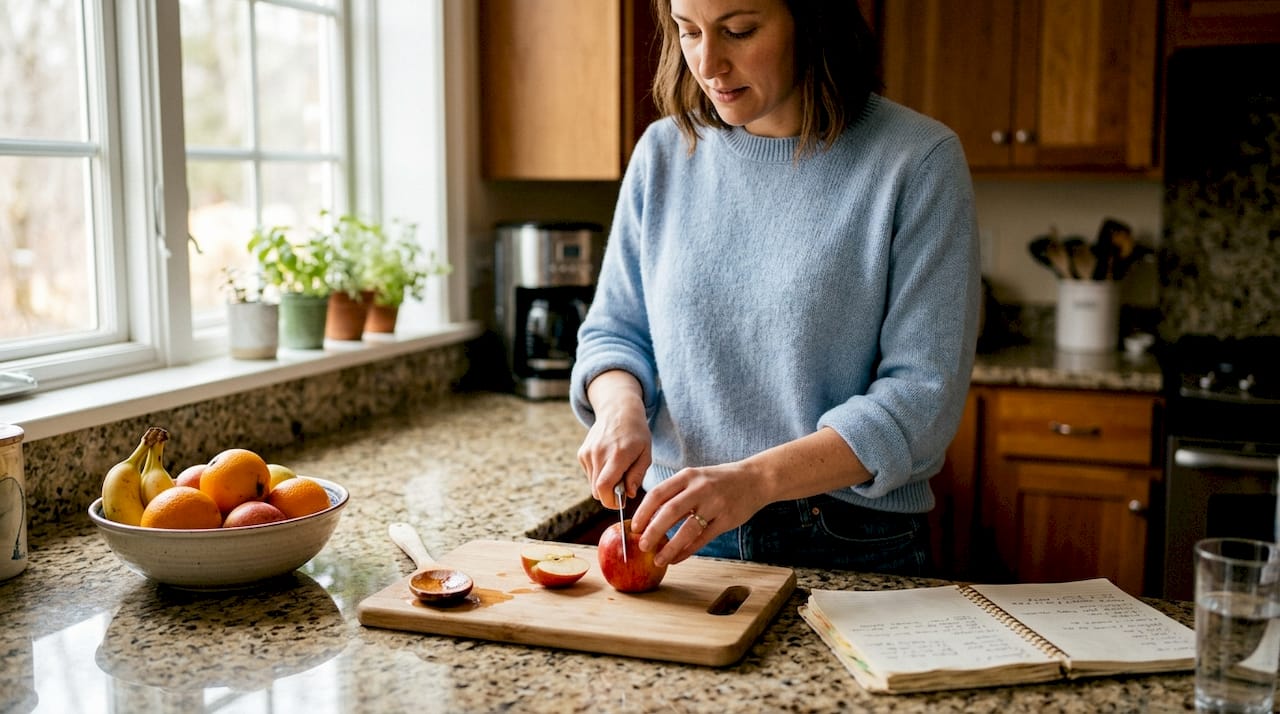
Fresh herb power: elevate flavor and health in cooking
 0 Comments
TL;DR:
- Fresh herbs provide aroma, flavor, and nutrition unmatched by dried versions.
- Tender herbs are added at the end, while woody herbs benefit from longer cooking.
- Using fresh herbs can reduce reliance on salt and boost overall health benefits.
Most home cooks reach for the salt shaker or a dusty jar of dried oregano without realizing fresh herbs can do far more. Fresh herbs carry volatile oils, vitamins, and antioxidants that dried versions simply cannot match. They can replace a surprising amount of salt, lift a flat dish in seconds, and quietly improve your health with every meal. If you have ever wondered why restaurant food tastes so alive, fresh herbs are a big part of the answer. This guide gives you the science, the swaps, and the practical steps to make fresh herbs a real part of your cooking routine.
Table of Contents
- What makes fresh herbs special in cooking
- Tender vs. woody herbs: When and how to use each
- Fresh herbs vs. dried: Substitutions and common mistakes
- How fresh herbs cut salt and boost health
- Maximizing freshness: Storing, freezing, and prep tips
- Why most home cooks undervalue fresh herbs and how to change that
- Explore more ways to eat fresh and flavorful
- Frequently asked questions
Key Takeaways
| Point | Details |
|---|---|
| Fresh herbs boost flavor | Volatile oils in fresh herbs create bright tastes that transform dishes with minimal effort. |
| Type matters | Tender herbs go in last, woody herbs early—this makes all the difference in flavor. |
| Cut salt naturally | Using fresh herbs lets you reduce sodium by up to 50% without sacrificing taste. |
| Health benefits add up | Regular use of fresh herbs supplies antioxidants, vitamins, and polyphenols with proven effects. |
| Proper storage is key | Keep herbs fresh longer by storing like a bouquet in the fridge or freezing in oil cubes. |
What makes fresh herbs special in cooking
Fresh herbs are not just pretty garnishes. They are tiny powerhouses packed with compounds that change how food smells, tastes, and even how it affects your body.
The magic starts with volatile oils, which are aromatic compounds that evaporate quickly when exposed to heat or air. These oils are responsible for the bright, punchy scent you get when you tear a basil leaf or crush a sprig of rosemary. According to food science research, fresh herbs burst with aroma because of these volatile oils combined with an 80 to 90 percent water content that keeps their flavor vivid and alive. Dried herbs lose much of this water and many of these oils during the drying process, which is why they taste flatter and more muted.

Beyond flavor, fresh herbs deliver a real nutritional punch. They are rich in vitamins A, C, and K along with antioxidants and polyphenols that carry anti-inflammatory and antimicrobial properties. A handful of parsley, for example, gives you more vitamin K than most people get in a day.
Here is a quick look at what makes popular fresh herbs stand out:
| Herb | Key nutrients | Best flavor note |
|---|---|---|
| Parsley | Vitamins C, K, folate | Fresh, grassy, mild |
| Basil | Vitamin K, manganese | Sweet, peppery, floral |
| Cilantro | Vitamin A, antioxidants | Citrusy, bright |
| Rosemary | Iron, calcium, antioxidants | Piney, earthy |
| Thyme | Vitamins C, A, iron | Warm, slightly floral |
The freshness benefits go beyond taste. Fresh herbs also keep dishes visually vibrant, adding color and life that dried herbs cannot replicate. A full herb guide can help you match each herb to the right dish.
- Add fresh herbs at the very end of cooking or as a garnish to preserve their volatile oils
- Use generous amounts since their flavor is more subtle than dried
- Tear or bruise leaves just before using to release maximum aroma
- Pair herbs with complementary flavors, like mint with lamb or dill with salmon
Pro Tip: When you chop fresh herbs and let them sit, they lose their nuance fast. Chop only what you need, right before you use them, and you will taste the difference immediately.
Tender vs. woody herbs: When and how to use each
Not all fresh herbs behave the same way in the kitchen. Understanding the difference between tender and woody herbs is one of the most practical skills you can develop as a home cook.
Tender herbs have soft stems and delicate leaves. This group includes basil, parsley, cilantro, mint, dill, chives, and tarragon. Their volatile oils are fragile, meaning heat destroys them quickly. Woody herbs have firm, fibrous stems and tougher leaves. Rosemary, thyme, oregano, and sage fall into this category. Their oils are more stable and actually benefit from time in a hot pan or pot.
Here is how the two types compare:
| Feature | Tender herbs | Woody herbs |
|---|---|---|
| Examples | Basil, cilantro, mint, dill | Rosemary, thyme, oregano, sage |
| When to add | Last 1 to 2 minutes of cooking | First 15 to 20 minutes of cooking |
| Heat tolerance | Low | High |
| Best use | Garnish, salads, finishing | Braises, roasts, soups |
Research on optimal herb timing confirms that tender herbs added too early simply cook away, leaving behind a dull, grassy note instead of the bright pop you want. Woody herbs, on the other hand, need time to release their oils into the dish.
Here is a simple step-by-step approach to using both:
- Start your dish by adding woody herbs like rosemary or thyme to hot oil or at the base of a braise
- Let them cook with the dish for at least 15 minutes so their flavors infuse the liquid or fat
- In the final 1 to 2 minutes of cooking, stir in tender herbs like parsley or basil
- Add a final scatter of fresh tender herbs right before serving for maximum aroma
- Remove woody herb stems before plating since they can be tough to eat
When choosing fresh produce at the store, look for bright color and firm stems in both types. A good herb cooking basics resource can walk you through even more pairing ideas.
Pro Tip: Never try to substitute dried basil or dried cilantro for their fresh versions. The flavor profile changes so dramatically that you are essentially using a different ingredient.
Fresh herbs vs. dried: Substitutions and common mistakes
Every home cook faces the moment when a recipe calls for fresh herbs and the fridge is empty. Knowing how to substitute correctly saves the dish.
The standard conversion is simple. Use 1 tablespoon fresh for every 1 teaspoon dried, which is a 3 to 1 ratio. Dried herbs are more concentrated because the water has been removed, intensifying the remaining compounds.
Here is a quick conversion table for common herbs:
| Herb | Fresh amount | Dried equivalent |
|---|---|---|
| Basil | 3 tablespoons | 1 tablespoon |
| Thyme | 3 teaspoons | 1 teaspoon |
| Rosemary | 3 teaspoons | 1 teaspoon |
| Parsley | 3 tablespoons | 1 tablespoon |
| Oregano | 3 teaspoons | 1 teaspoon |
This herb substitution guide breaks down when each type works best for specific cooking methods.
When to use fresh versus dried:
- Use fresh herbs in raw applications like salads, salsas, and dressings where brightness matters
- Use dried herbs in long-simmered dishes like stews, soups, and braises where they have time to rehydrate
- Use fresh herbs as a finishing touch on any cooked dish to add a pop of color and aroma
- Use dried herbs when you need a more even, background flavor that blends into the dish
Common mistakes to avoid:
- Adding tender fresh herbs too early and cooking away all their flavor
- Using dried basil or dried cilantro as a substitute and wondering why the dish tastes flat
- Adding too much dried herb, which can turn bitter and overpower everything else
- Forgetting to crush dried herbs between your fingers before adding them, which releases more flavor
How fresh herbs cut salt and boost health
One of the most underrated things fresh herbs can do is help you use less salt without making food taste bland. This is not just a wellness trend. The science behind it is solid.
Fresh herbs contain aromatic compounds and natural glutamates that stimulate your taste receptors in ways that mimic the flavor-enhancing effect of salt. Your brain registers the dish as more complex and satisfying, so you reach for the shaker less often. Real-world testing shows that herbs reduce salt reliance by 25 to 50 percent through these aromatic compounds and glutamates.
“Herbs do not just add flavor. They redirect your palate so that salt becomes a supporting player rather than the star.”
This matters especially if you are trying to manage blood pressure or simply eat cleaner. Pairing fresh herbs with pantry staples like ground black pepper adds another layer of complexity that further reduces your need to reduce sodium through salt alone. Even snack choices like veggie straws sea salt become more satisfying when your palate is already trained to appreciate nuanced flavor.
The health benefits stack up quickly:
- Parsley and cilantro are loaded with vitamin C and vitamin K
- Basil and oregano carry strong antimicrobial properties
- Rosemary and thyme contain antioxidants linked to reduced inflammation
- Regular herb use contributes roughly 680mg of polyphenols monthly, supporting anti-inflammatory pathways
Research on herb polyphenols continues to show that consistent, even small, intake of these compounds adds up to meaningful health benefits over time. The best part is that your taste buds adapt. After a few weeks of cooking with fresh herbs regularly, heavily salted food starts to taste one-dimensional.
Maximizing freshness: Storing, freezing, and prep tips
Buying fresh herbs is only half the battle. Keeping them fresh long enough to actually use them is where most people struggle.

The good news is that proper storage is simple once you know the method. Store fresh herbs like a bouquet in the fridge, trimming the stems and placing them in a glass of water, then loosely covering the leaves with a plastic bag. This keeps most tender herbs fresh for 3 to 7 days. Woody herbs do well wrapped in a slightly damp paper towel and stored in a sealed bag in the crisper drawer.
For longer storage, freezing works beautifully. Chop the herbs, pack them into an ice cube tray, cover with olive oil, and freeze. You get perfectly portioned herb cubes ready to drop directly into soups, sauces, or sautéed vegetables. This herb preparation method is especially useful for rosemary, thyme, and sage.
Key storage and prep tips:
- Always wash herbs just before using, not before storing, since moisture speeds up decay
- Chop herbs on a dry cutting board to avoid bruising the leaves and turning them dark
- Use a sharp knife and a rocking motion rather than pressing down hard, which crushes the cells
- Keep basil at room temperature on the counter since the fridge turns it black
- Check your herb storage tips for produce-specific guidance on what goes where
Pro Tip: Delicate herbs like cilantro and dill spoil in 3 to 4 days even with good storage. Buy them closer to when you plan to use them, or freeze extras immediately to avoid waste.
Why most home cooks undervalue fresh herbs and how to change that
Here is the honest truth. Most home cooks treat fresh herbs as decoration, a sprig of parsley on a plate, a few basil leaves on top of pasta. That mindset is costing you real flavor and real nutrition.
We have seen this pattern repeatedly. People spend money on quality proteins and sauces but skimp on herbs or skip them entirely. Yet a generous handful of fresh cilantro can transform a bowl of rice and beans into something memorable. A fistful of fresh thyme in a roasting pan makes the whole kitchen smell like a restaurant.
Treating herbs as pantry staples, right alongside salt, olive oil, and garlic, changes how you cook. It builds fresh produce habits that naturally crowd out less healthy shortcuts. The challenge we offer you is simple. Spend one week where every meal includes a different fresh herb. Notice how your palate shifts, how you reach for salt less, and how ordinary dishes suddenly feel intentional and alive. That shift in mindset is where the real upgrade happens.
Explore more ways to eat fresh and flavorful
Putting these tips into practice starts with having the right ingredients on hand. Fresh herbs work best when they are part of a broader commitment to eating well, and that means stocking your kitchen with quality, fresh foods you can trust.

At Charming Foods, you can find fresh, organic groceries delivered to your door with free next-day delivery. Whether you are building a habit around fresh herbs or exploring new produce, the shop fresh foods section makes it easy to get started. Check out the guide on how to choose fresh produce for practical tips on selecting the best ingredients every time you shop.
Frequently asked questions
Can I substitute dried herbs for fresh in all recipes?
No. Dried herbs work well for woody types like rosemary and thyme in long-cooked dishes, but tender herbs lose flavor when dried and should always be used fresh for the best results.
What is the best way to store fresh herbs to keep them longer?
Treat tender herbs like a bouquet in the fridge with trimmed stems in water, and freeze extras in oil cubes for up to three months of usable flavor.
How much fresh herb equals dried herb?
The standard rule is a 3 to 1 ratio, meaning 1 tablespoon of fresh herbs equals 1 teaspoon of dried herbs in any recipe.
Can using fresh herbs really help me reduce sodium?
Yes. Aromatic compounds in fresh herbs stimulate your taste receptors so effectively that you can cut salt by 25 to 50 percent while your palate gradually adjusts to needing less.
Which herbs give the most nutritional benefit?
Parsley, cilantro, basil, and chives rank among the highest, offering vitamins, antioxidants, and polyphenols with proven anti-inflammatory and antimicrobial properties.